Travel
The Sovereignty of Space: The Architecture, Operations, and Omissions of the World's Most Private Hotel Suites
Inside the closed-door logistics of Geneva's Royal Penthouse and the Palms Empathy Suite. An analysis of the staffing ratios, security buffers, and operational structures that govern the world's most exclusive temporary residencies.
The Sovereignty of Space: The Architecture, Operations, and Omissions of the World's Most Private Hotel Suites
The Architecture of Absolute Seclusion
The geography of extreme hospitality is defined not by square footage, but by the friction of access. At the Hotel President Wilson in Geneva, the Royal Penthouse occupies the entirety of the eighth floor, spanning 1,680 square meters. It is a fortress disguised as a residence. Guests arriving at the Quai Wilson entrance are met by a security detail that operates with the clinical precision of a diplomatic protection unit. The arrival protocol mandates a dedicated elevator, accessible only via biometric verification, which bypasses the lobby entirely. Once the doors slide open, the transition from the bustling Swiss streetscape to the silent, climate-controlled interior is absolute.
The floor plan is a masterclass in defensive luxury. Twelve marble-clad bathrooms, each outfitted with Hermès amenities, serve a suite that is encased in bullet-resistant glass. From the terrace, which offers a panoramic view across the expanse of Lake Geneva toward the jagged silhouette of Mont Blanc, the world feels distant, rendered in miniature. According to the 2024 Wealth Report by Knight Frank, the demand for ultra-prime residential-style hotel suites has surged by 14% in the last twenty-four months, driven by a demographic that prioritizes physical security as much as aesthetic refinement. The CHF 80,000 nightly rate is, in this context, a premium paid for the absence of intrusion.
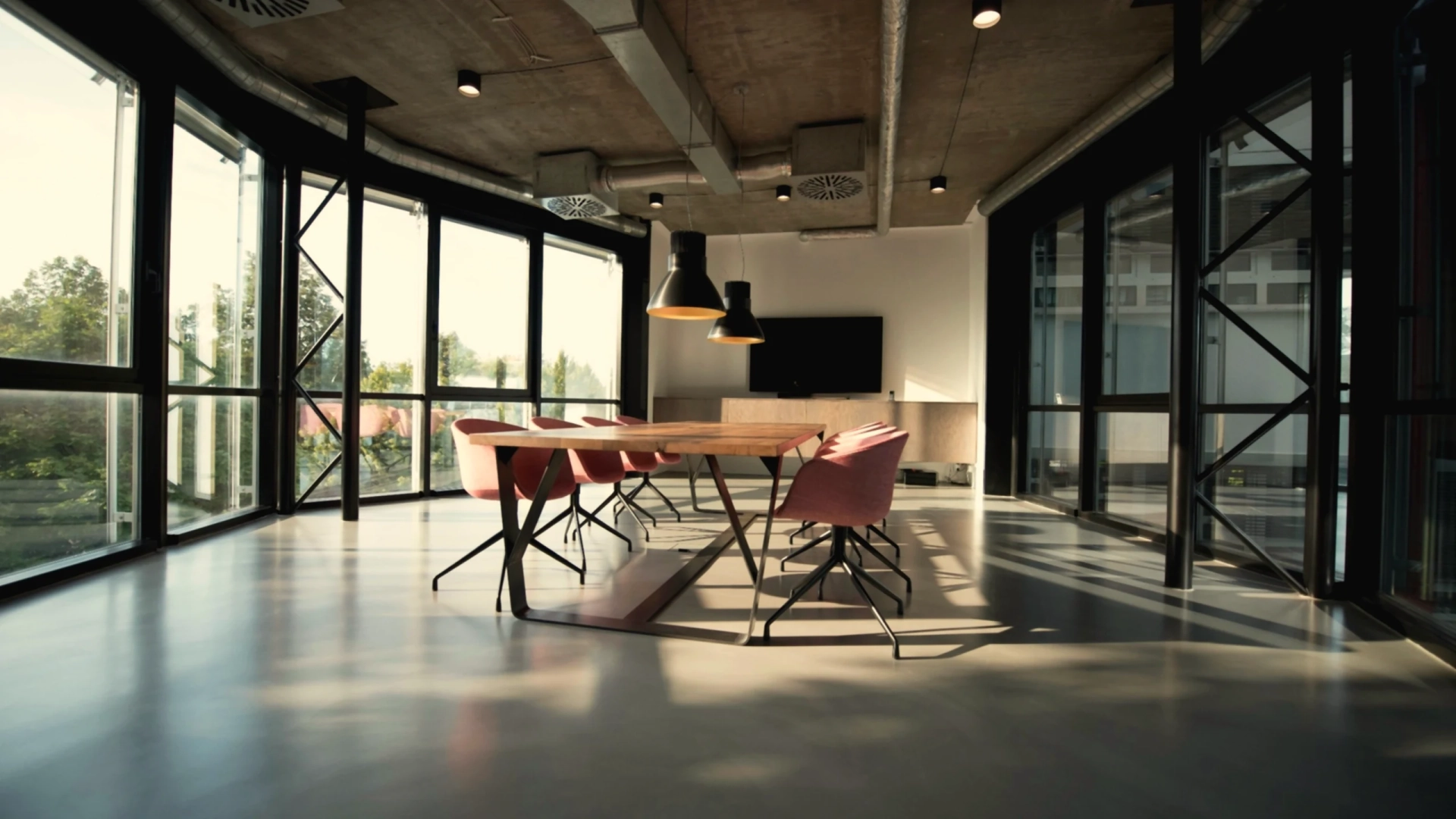
Inside the suite, the silence is heavy, punctuated only by the faint hum of the climate control system. The furniture is arranged to facilitate private meetings, with a boardroom table capable of seating twenty-six people. It is here that heads of state and sovereign wealth fund managers negotiate terms, shielded by the structural integrity of the building. The windows, thick and impenetrable, mute the sound of the passing ferries on the lake below. It is an environment designed for those who have spent their lives being watched, and who now pay a significant fortune to ensure that, for a few nights, they are the only ones observing.
The Hirst Aesthetic and the Economics of Excess
In the high-stakes theater of Las Vegas, the Empathy Suite at the Palms Casino Resort represents a departure from traditional opulence toward the avant-garde. Priced at $100,000 per night with a mandatory two-night minimum, the 836-square-meter space is less a hotel room and more a private gallery. The suite features six original Damien Hirst installations, most notably "Winner/Loser," which consists of two bull sharks suspended in formaldehyde tanks. The aesthetic is jarring, clinical, and undeniably expensive. A 13-seat curved bar, finished in high-gloss resin, anchors the main living area, while a cantilevered jacuzzi extends over the Las Vegas Strip, offering a vertigo-inducing view of the neon sprawl.
The economics of the Empathy Suite are illustrative of a broader trend in the hospitality sector. While the $200,000 minimum stay is a headline-grabbing figure, it represents only a fraction of the total revenue generated by such a guest. According to data from STR, a global leader in hotel market analytics, ancillary spend—encompassing private gaming, high-end catering, and bespoke entertainment—often exceeds the base room rate by a factor of three to one for suites of this caliber. The suite is designed to be a loss leader for the casino floor, a gravitational pull for the world’s most significant high-rollers.
Standing in the center of the suite, the sensory experience is overwhelming. The air smells faintly of expensive leather and the ozone of the high-tech lighting systems. One evening, a guest might find themselves sipping a 1945 Romanée-Conti at the bar, the shark tanks glowing with a sterile, blue light behind them. The contrast between the morbid art and the hedonistic environment of the Strip is intentional. It is a space built for the ultra-wealthy to test the boundaries of their own influence, surrounded by objects that are, by any conventional measure, priceless.
The Verticality of Status in Dubai
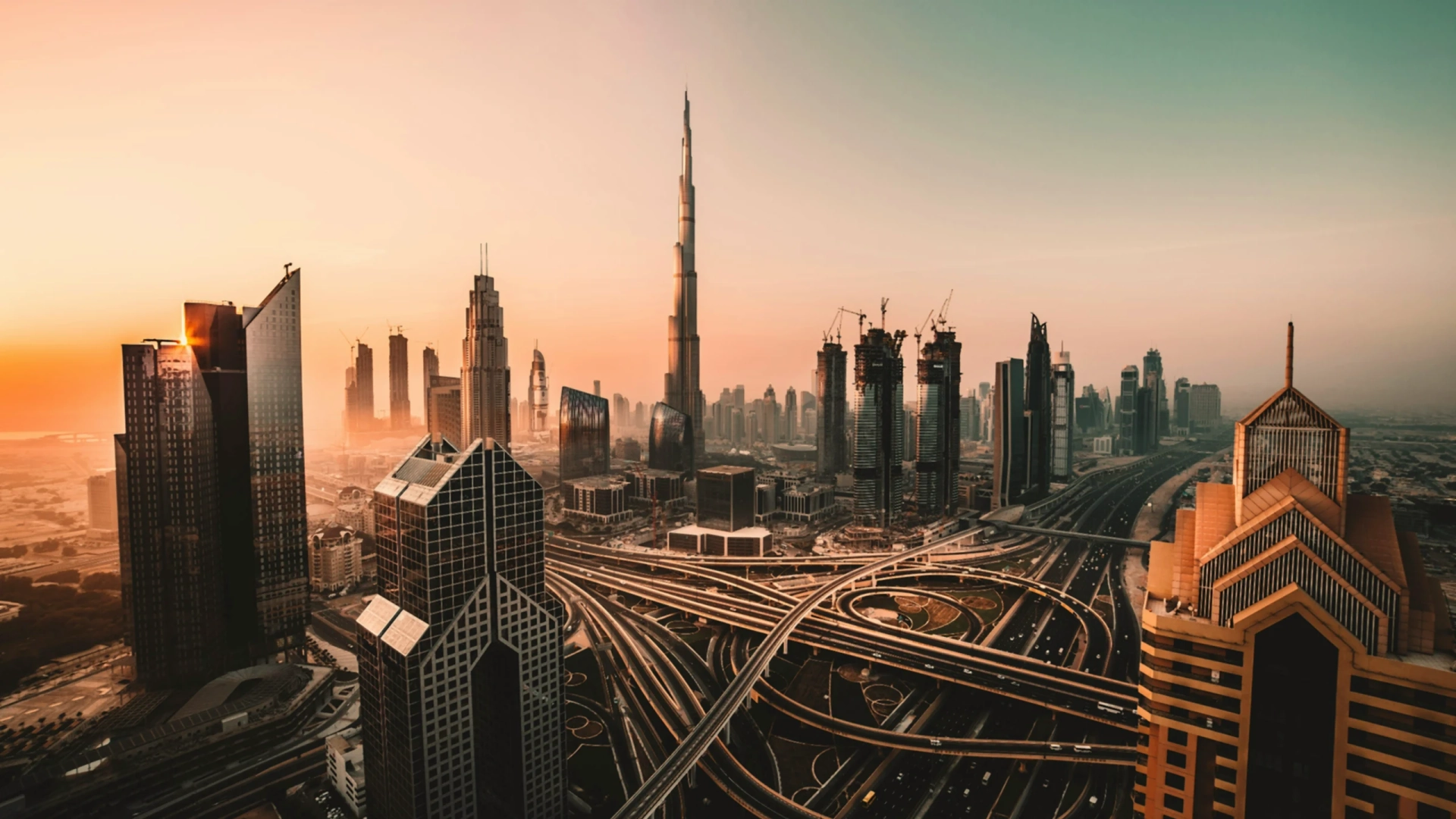
The Royal Suite at the Burj Al Arab in Dubai operates on a different logic of status. At $28,000 per night, it is a bargain compared to its Geneva or Las Vegas counterparts, yet it offers a level of theatricality that is unmatched. Spanning 780 square meters across two floors, the suite is defined by its gold-leaf interiors and a rotating bed that allows the occupant to track the sun’s movement across the Arabian Gulf. The private cinema, equipped with a 4K laser projection system, provides a sanctuary from the intense desert heat. The arrival protocol here involves a chauffeur-driven Rolls-Royce Phantom, which whisks guests from the tarmac of Dubai International Airport directly to the hotel’s private helipad or the grand atrium.
The Burj Al Arab remains a symbol of the rapid expansion of the luxury market in the Middle East. According to the 2025 Prime Global Cities Index, Dubai has seen a consistent appreciation in luxury hospitality assets, with occupancy rates for top-tier suites remaining stable despite global economic volatility. The Royal Suite is not merely a place to sleep; it is a stage. The staircase, carved from Carrara marble, serves as a focal point for the suite’s dramatic architecture. Every element, from the gold-plated faucets to the personalized butler service, is calibrated to reinforce the guest’s sense of arrival.
One afternoon, a guest might sit in the private cinema, the room cooled to a precise 21 degrees Celsius, watching the latest releases while the city of Dubai hums with construction and commerce outside. The suite’s design is unapologetically maximalist, a rejection of the minimalist trends that have dominated European design for the last decade. It is a space that demands attention, a physical manifestation of the wealth that has transformed the desert into a global hub for the ultra-high-net-worth individual.
The Hidden Costs of the Six-Figure Stay
There is a pervasive myth that a $100,000 nightly rate covers the entirety of a guest’s requirements. This is a misconception that the hospitality industry is careful to maintain. In reality, the rate card is a baseline, a starting point for a conversation about logistics. Champagne beyond the house selection, for instance, is billed at a premium that often reflects the rarity of the vintage. Helicopter transfers, while often expected, are almost always outsourced to third-party providers and invoiced separately, with a significant service markup added for the hotel’s coordination efforts.
Private dining is perhaps the most significant area of ancillary revenue. When a guest requests a menu designed by a Michelin-starred chef, the costs associated with sourcing rare ingredients, staffing a private kitchen, and managing the logistics of a bespoke service are passed on to the guest with a substantial margin. According to a report by McKinsey & Company on the future of luxury travel, the "unbundling" of services is becoming the standard for ultra-luxury properties. By keeping the base rate high but the service menu à la carte, hotels can maintain a flexible revenue model that captures the full extent of a guest’s willingness to pay.
Consider the logistics of a private dinner in the Empathy Suite. The guest requests a specific vintage of Krug and a menu featuring bluefin tuna flown in from Japan. The hotel’s concierge team must coordinate with local suppliers, manage the security clearance for the delivery staff, and ensure that the service staff is trained in the specific protocols of the suite. Each of these steps is a line item on the final invoice. The $100,000 is merely the entry fee to a system that is designed to extract value at every point of contact.
The Psychology of the Invisible Guest
For the individuals who frequent these suites, the primary commodity is not the gold-leaf ceiling or the Damien Hirst shark; it is the ability to disappear. The ultra-high-net-worth individual lives in a state of constant visibility, whether through public filings, media scrutiny, or the demands of their professional life. The hotel suite serves as a temporary bunker. The staff at the Hotel President Wilson are trained to be ghosts; they appear when needed and vanish before they are noticed. This level of service requires a staffing ratio that is often as high as five employees per guest.
The psychological impact of such isolation is profound. In the Royal Penthouse in Geneva, the sheer scale of the space can be disorienting. A guest might walk from the master bedroom to the terrace and not encounter another human being for hours. This is the ultimate luxury: the ability to exist in a space that is entirely under one’s control. According to a study by the Cornell School of Hotel Administration, the perceived value of a hotel suite is directly correlated to the level of autonomy the guest feels within the space. When the guest can control the lighting, the temperature, the security, and the service flow, the suite becomes an extension of their own personal agency.
One evening, a guest might sit in the study of the Royal Penthouse, the lights of Geneva reflecting off the lake. They are reading a confidential document, the only sound the soft click of a pen. There is no staff in the room, no intrusion from the outside world. The suite has become a vacuum, a place where the pressures of the global economy are suspended. It is a rare moment of stillness in a life defined by constant motion and the relentless accumulation of capital.
Data, Logistics, and the Global Luxury Index
The global market for ultra-luxury hotel suites is a niche but highly lucrative segment of the hospitality industry. While the total number of rooms priced above $50,000 per night is statistically small, their impact on a hotel’s brand equity and overall profitability is disproportionate. According to the 2025 Luxury Travel Monitor, properties that offer at least one "trophy suite" see a 22% increase in bookings for their standard luxury rooms, as the presence of the penthouse acts as a halo effect for the entire property. The suite is a marketing tool as much as it is a product.
The logistics of maintaining these spaces are equally complex. The Royal Suite at the Burj Al Arab requires a dedicated team of engineers to maintain the rotating bed mechanism and the complex climate control systems that keep the gold leaf from tarnishing in the humid Dubai air. In Las Vegas, the Empathy Suite requires constant oversight from art handlers to ensure that the formaldehyde tanks remain sealed and the lighting levels do not degrade the integrity of the Hirst installations. These are not just hotel rooms; they are industrial assets that require constant, specialized maintenance.
The financial data suggests that this segment of the market is resilient to economic downturns. Even during periods of global financial instability, the demand for high-security, high-privacy accommodation remains constant. The ultra-wealthy are willing to pay for the assurance that their environment is secure and that their privacy is absolute. This is the core value proposition of the $100,000-per-night suite: it is a hedge against the unpredictability of the outside world.
The Finality of the Experience
The experience of staying in a suite of this caliber is defined by the details that go unnoticed. It is the way the elevator doors open to a private foyer, the way the linens are pressed to a specific tension, and the way the concierge knows the guest’s preference for a specific brand of sparkling water before they have even checked in. These are the markers of a system that has been perfected over decades of catering to the world’s most demanding clientele. There is no room for error, and there is no room for the mundane.
As the sun sets over Lake Geneva, the Royal Penthouse is bathed in a soft, golden light. The city below begins to transition into the evening, the lights of the buildings reflecting on the water. Inside the suite, the guest is preparing for a dinner meeting. The table is set with fine china, and the staff is waiting in the wings, ready to execute the service plan with military precision. The cost of the night is irrelevant; what matters is the seamless execution of the evening.
The world outside the hotel continues to turn, but within the walls of the suite, time seems to slow down. The guest is insulated from the volatility of the markets, the scrutiny of the press, and the demands of their peers. They are, for a brief moment, in control of their own reality. The suite is a proof of the power of capital to create a private world, a place where the rules of the outside do not apply and where the only limit is the imagination of the occupant. The final invoice will be settled in the morning, the details of the stay will be archived in the hotel’s private records, and the cycle will begin again with the next guest.
Shopygram Exclusive Intelligence
Ultra-Luxury Suite ADR Trends — NY/London/Paris
Average Daily Rate (Index: 2019 = 100)
Intelligence Source: STR Global Luxury Benchmarking
Market Intelligence current as of April 2026
The Curator's Selection
TravelMr & Mrs Smith: Curated Ultra-Luxury Hotels
The world's most trusted luxury hotel membership programme with exclusive rates and member benefits at 1,600+ handpicked properties including several with ultra-luxury suite inventory.
Leading Hotels of the World: Suite Specialists
The ultra-luxury hotel collection representing 375 hotels globally, including the Hotel President Wilson Geneva. Member properties offer the deepest concierge support for ultra-luxury suite planning.
Shopygram may receive a referral fee when you transact through these links. Our editorial recommendations are independent of commercial relationships.
The Intelligence Behind the Destination
Who actually books a $100,000 hotel suite?
Primarily wealthy Middle Eastern and Asian families travelling with 10–20 people, C-suite executives on corporate accounts, and ultra-high-net-worth individuals using the suite as a private residence alternative during extended city stays.
Is there a meaningful experience difference above $15,000 per night?
Marginal. The step from $5,000 to $15,000 is significant — dedicated butlers, private terraces, chef access. Above $15,000, the incremental experience gain is small; you are paying for exclusivity of access and the certainty of absolute privacy.
What do the best luxury suites have in common?
Complete acoustic isolation, a minimum 1:1 staff-to-guest ratio on request, private check-in that bypasses the lobby entirely, and a concierge with genuine relationships in the destination city.
The Author
Sébastien Kaël
Contributing Editor — Real Estate & Capital MarketsFood and travel correspondent whose work spans three-Michelin-star dining, private island retreats, and the architecture of ultra-luxury hospitality.