Real Estate
The Divergence: The Prime Markets Contracting in Real Terms—and the Enclaves Setting All-Time Records
London and Hong Kong surrender 30% while Dubai and Miami hit historic highs. The spatial intelligence on which markets are safe exits, which represent generational entry opportunities, and the forces driving the split.
The Divergence: The Prime Markets Contracting in Real Terms—and the Enclaves Setting All-Time Records
The Great Realignment: Capital Flows in 2026
The global map of ultra-prime real estate is undergoing a structural metamorphosis. For decades, the geography of wealth was static, anchored by the gravitational pull of London, New York, and Hong Kong. Today, that map is fracturing. As capital becomes increasingly mobile and tax-sensitive, the traditional bastions of the global elite are experiencing a period of profound contraction, while a new tier of tax-efficient, lifestyle-oriented hubs captures the lion’s share of private wealth allocation. According to the Knight Frank 2025 Prime Global Cities Index, the divergence between these two cohorts has reached its widest point since the 2008 financial crisis, signaling a permanent shift in how the ultra-high-net-worth (UHNW) demographic views the concept of a primary residence.
The Contraction of the Old Guard
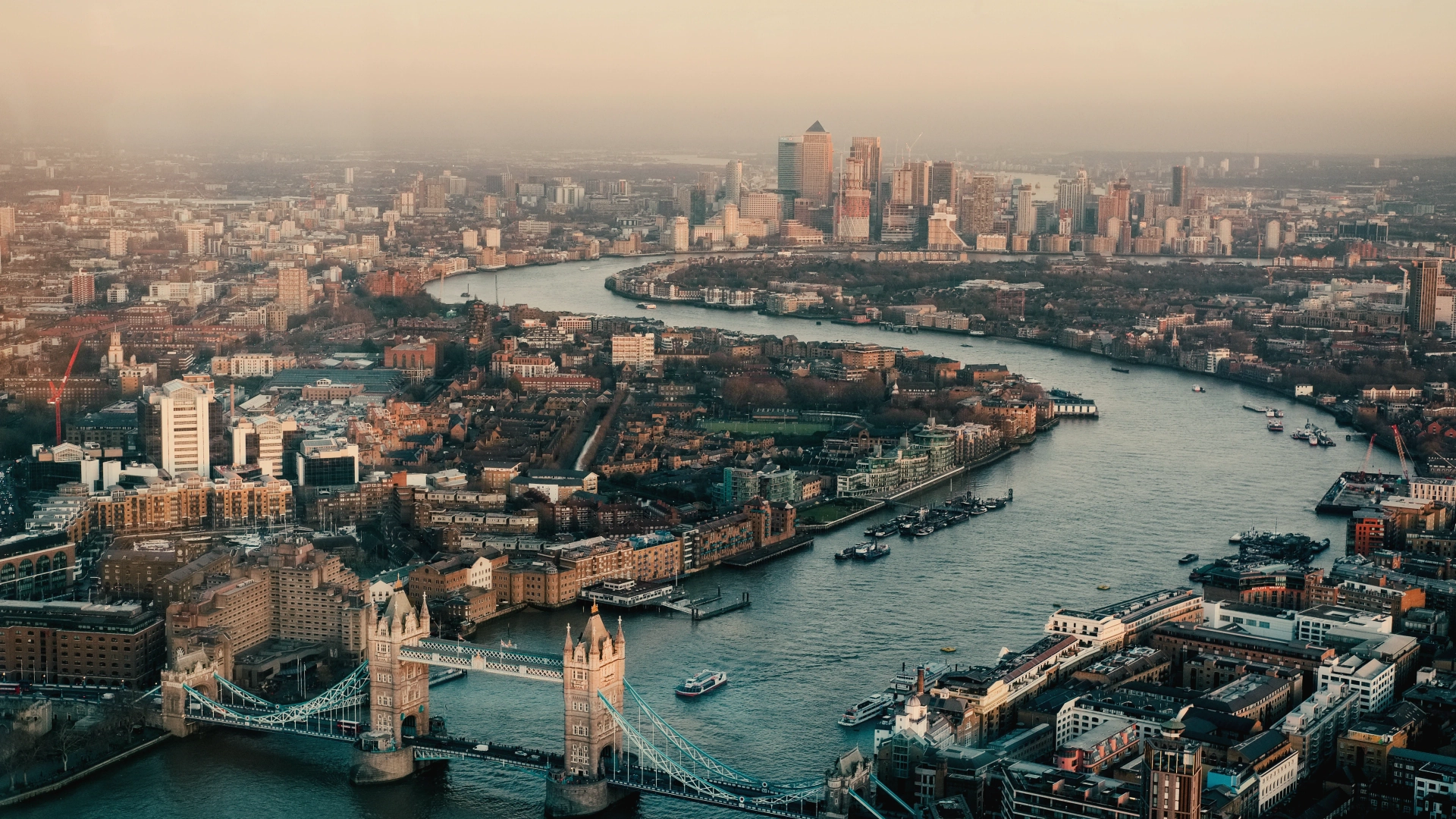
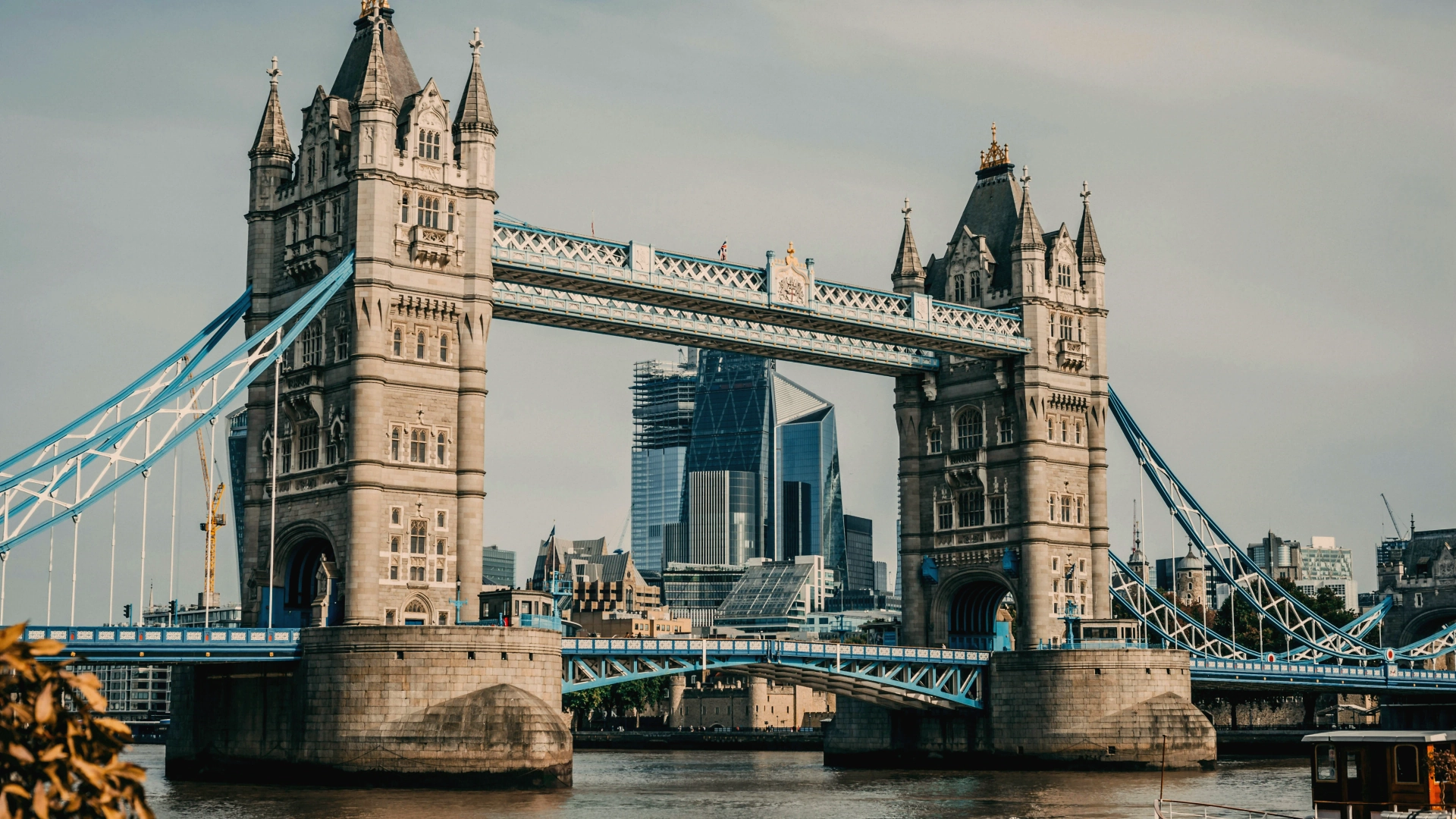
London, once the undisputed capital of global real estate, is currently navigating a period of significant recalibration. Since 2022, prime values in the city have retreated by 25% to 35%, a decline driven by a confluence of geopolitical uncertainty and aggressive fiscal policy. The abolition of the non-domiciled tax status has fundamentally altered the calculus for international residents, while the cumulative impact of stamp duty surcharges—which can reach 17% for foreign buyers—has effectively chilled the top end of the market. In Mayfair and Knightsbridge, properties that traded with ease three years ago now sit on the market for an average of 240 days, a stark contrast to the rapid turnover of the previous decade.
The situation in Hong Kong mirrors this malaise, albeit through a different lens. The city has seen values slide 20% from their 2021 peak, a decline exacerbated by the implementation of the National Security Law and the subsequent retreat of mainland Chinese capital. Where once the Peak and Mid-Levels were the primary destinations for regional wealth, they now serve as cautionary tales of market saturation. The liquidity that once fueled the city’s vertical expansion has migrated, leaving behind a surplus of luxury inventory that struggles to find buyers at historical price points.

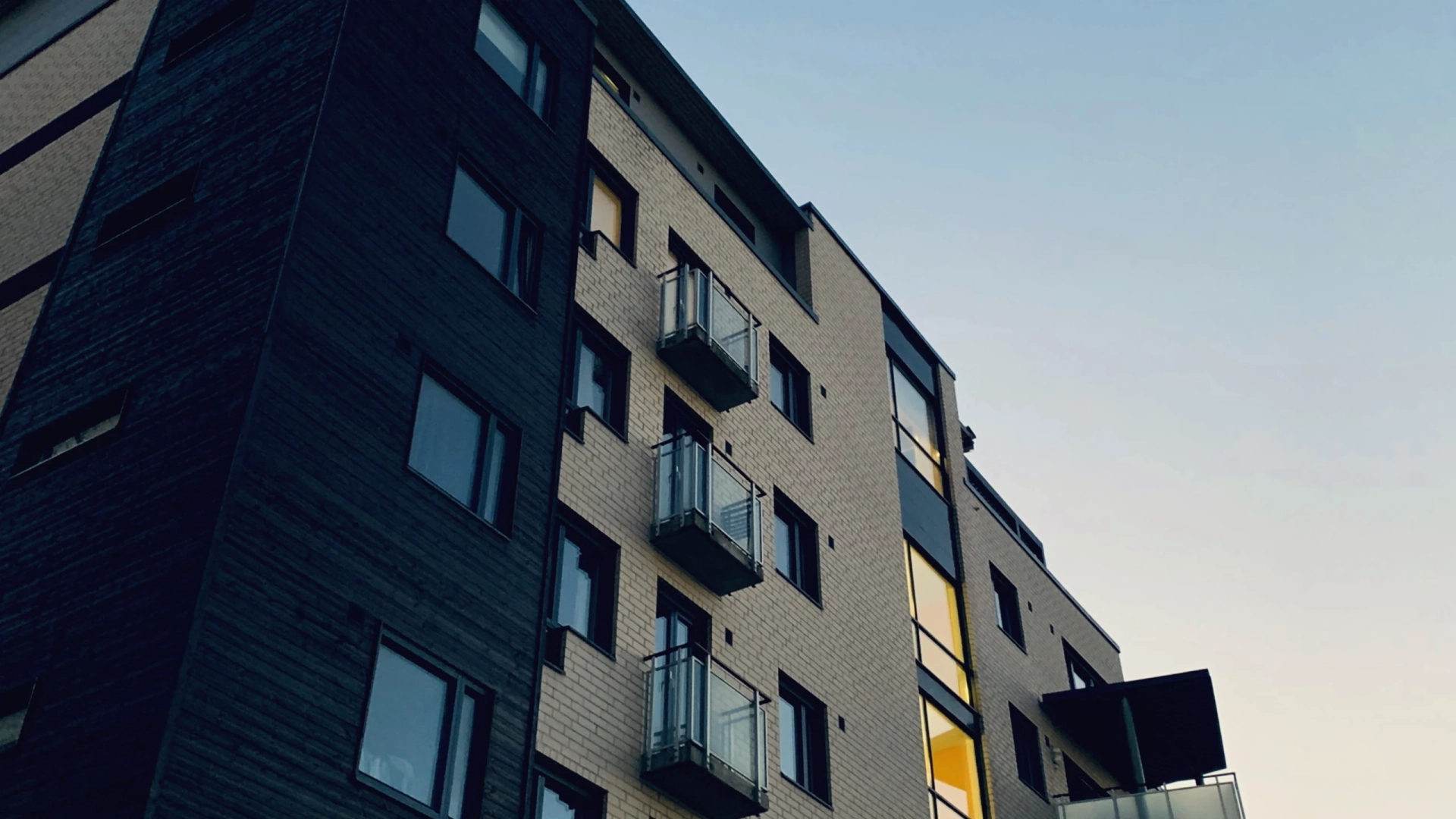
New York City, meanwhile, faces its own set of structural headwinds. At the $10 million-plus tier, values have softened by 8% to 12% over the last twenty-four months. The persistence of the SALT (State and Local Tax) deduction cap continues to weigh heavily on domestic buyers, particularly those relocating from high-tax states. In Manhattan, the inventory of ultra-luxury condos remains bloated, with developers offering significant concessions—often in the form of paid-for common charges or interior design packages—to move units that would have commanded premiums in 2021.
Regulatory Friction and the Global Exodus
The decline in these legacy markets is not merely a function of interest rates; it is a response to regulatory friction. In Vancouver, the combination of the empty homes tax and the federal ban on foreign ownership has resulted in a 12% to 18% correction. The city, which once served as a primary gateway for trans-Pacific capital, has seen its allure diminished by a legislative environment that prioritizes domestic affordability over foreign investment. Similarly, Sydney has experienced a 10% to 15% decline, as stringent foreign investment restrictions and a cooling domestic economy have forced a repricing of the harbor-front estates that define the city’s prestige.
Paris, while more resilient than its peers, has effectively stalled. Values remain flat to down 5%, a stagnation largely attributed to the IFI (Impôt sur la Fortune Immobilière), which levies a 1.5% tax on net real estate assets exceeding €10 million. For the global nomad, the cost of holding a pied-à-terre in the 7th or 16th arrondissement now includes a significant annual tax burden that is difficult to justify when compared to the zero-tax environments emerging elsewhere.
The New Centers of Gravity
While the old guard struggles, a new geography of wealth is emerging, defined by fiscal neutrality and aggressive infrastructure development. Dubai stands at the center of this shift. On the Palm Jumeirah, prime residential values have surged by 48% over the past 24 months, with prices now regularly exceeding AED 6,900 per square foot. This is not a speculative bubble, but a structural migration. The introduction of the Golden Visa program, combined with the absence of personal income tax, has turned the emirate into a magnet for family offices. Data from the 2024 Global Family Office Report indicates that the average allocation to Dubai real estate among surveyed family offices has increased from 4% in 2022 to 11% in 2024.
Miami has mirrored this trajectory, particularly in neighborhoods like Coconut Grove and Fisher Island, where values have appreciated by 62% since 2021. This is the result of a sustained domestic tax migration, as wealth flows from the Northeast corridor to the sun-drenched coast of Florida. The city has transformed from a seasonal playground into a primary residence hub for hedge fund managers and tech entrepreneurs who prioritize the absence of state income tax and a business-friendly regulatory environment.
A Scene from the Palm
Consider the scene at a private viewing on the Palm Jumeirah last November. The sun was setting over the Arabian Gulf, casting a golden hue across the infinity pool of a newly completed villa. The buyer, a third-generation family office principal from Zurich, was not interested in the architectural pedigree of the property or the history of the neighborhood. He was focused on the tax residency implications of the 10-year Golden Visa and the proximity of the villa to the private aviation terminal at Al Maktoum International Airport. He signed the memorandum of understanding within forty-five minutes of arrival. For him, the property was not a trophy to be displayed; it was a strategic asset, a hedge against the fiscal instability he perceived in his home jurisdiction.
This interaction encapsulates the current mindset of the global elite. The emotional attachment to a specific city—the romance of a London townhouse or the prestige of a Manhattan penthouse—is being superseded by a cold, analytical approach to asset management. The decision to purchase is now predicated on the ease of capital entry, the stability of the legal framework, and the long-term tax efficiency of the jurisdiction.
The Data-Driven Shift
The shift in capital allocation is supported by a broader trend in wealth management. According to the 2025 Knight Frank Prime Global Cities Index, the divergence between the top-performing and bottom-performing markets is now at a historic high. In the past, a rising tide lifted all boats; today, the tide is selective. The markets that are accelerating are those that have actively courted the UHNW demographic through policy, infrastructure, and security.
In Dubai, the government’s commitment to expanding the city’s footprint—evidenced by the massive investment in the Dubai Metro and the expansion of the city’s commercial free zones—has created a predictable environment for long-term capital. In Miami, the influx of financial institutions moving their headquarters to Brickell has created a self-sustaining ecosystem of high-earning professionals who require high-end housing. These are not transient markets; they are built on the foundation of institutional capital.
Conversely, the markets in decline are struggling with the consequences of their own success. London’s reliance on international capital has left it vulnerable to the whims of global policy, while New York’s dependence on the financial services sector makes it susceptible to the shifts in corporate tax policy and remote work trends. The decline in these cities is a reflection of a broader, global trend: the democratization of luxury, where the prestige of a location is no longer enough to command a premium.
The Future of the Asset Class

As we look toward the remainder of 2026, the divergence is likely to persist. The markets that have successfully positioned themselves as tax-efficient hubs will continue to attract capital, while those that remain tethered to high-tax, high-regulation models will continue to see their values drift downward. For the UHNW investor, the challenge is no longer finding a property that meets their aesthetic standards; it is finding a property that aligns with their fiscal objectives.
The era of the "trophy asset" as a standalone investment is over. Today, the most sophisticated investors view their real estate holdings as part of a broader, integrated portfolio. They are looking for jurisdictions that offer a combination of lifestyle, security, and tax efficiency. This is why we see the rise of the "poly-resident" lifestyle, where an individual may hold a primary residence in a low-tax hub like Dubai or Miami, while maintaining smaller, more liquid holdings in the traditional capitals of Europe and North America.
This shift has profound implications for the real estate industry. Developers in London and New York must now compete with the amenities and fiscal advantages of Dubai and Miami. They can no longer rely on the historical prestige of their locations to drive sales. They must innovate, offering services and structures that provide value beyond the physical square footage of the property.
The Human Element
Despite the cold, analytical nature of these trends, the human element remains a critical component of the market. The desire for community, for proximity to like-minded individuals, and for a certain quality of life continues to drive the geography of wealth. The growth of Coconut Grove, for instance, is more than about tax rates; it is about the specific lifestyle that the neighborhood offers—the proximity to the water, the walkability, and the sense of privacy that is increasingly rare in urban environments.

Similarly, the growth of the Palm Jumeirah is driven by the development of a world-class infrastructure that allows for a seamless, high-end lifestyle. The ability to move from a private jet to a luxury villa in under thirty minutes is a convenience that the UHNW demographic values highly. These are the factors that, when combined with fiscal efficiency, create a compelling case for investment.
The divergence we are witnessing is not a temporary fluctuation. It is a fundamental realignment of the global real estate market. As capital becomes more mobile and investors become more discerning, the traditional centers of wealth will be forced to adapt or risk further decline. The future belongs to the jurisdictions that can provide a stable, efficient, and high-quality environment for the global elite.
In the coming years, we expect to see further consolidation of wealth in these new hubs. The data from Knight Frank and other leading analysts suggests that the trend of capital migration is accelerating, not slowing down. As family offices and UHNW individuals continue to reallocate their portfolios, the map of global real estate will continue to evolve, reflecting the changing priorities of the world’s most influential investors.
The current state of the market is a proof of the power of policy and the resilience of capital. It is a reminder that even in the most established markets, nothing is guaranteed. The successful investor of 2026 is one who understands this reality, who looks beyond the surface of the market, and who recognizes that the true value of an asset lies in its ability to adapt to the changing needs of the global economy.
As we observe the current landscape, it is clear that the divergence is more than a trend; it is a permanent feature of the modern real estate market. The markets that have embraced change are thriving, while those that have resisted are struggling to maintain their relevance. This is the new reality of ultra-prime real estate, a landscape defined by fiscal efficiency, strategic location, and the relentless pursuit of value.
The data points are clear: the shift is underway, and the implications are far-reaching. From the sun-drenched shores of Miami to the rapidly expanding skyline of Dubai, the new centers of wealth are redefining what it means to be a global citizen. As we look toward the future, it is these markets that will continue to set the pace, shaping the geography of wealth for the next generation of investors.
The market in 2026 is a complex, multifaceted environment, but the underlying trends are consistent. The divergence between the old guard and the new centers of wealth is a reflection of a broader, global shift in the way capital is managed and deployed. It is a shift that will continue to shape the industry for years to come, and one that every serious investor must understand.
The evidence is in the numbers, the anecdotes, and the shifting landscape of global real estate. The divergence is real, and it is here to stay. As we move forward, the focus will remain on the markets that offer the best combination of value, efficiency, and lifestyle. The old rules no longer apply, and the new ones are being written in real-time.
The final observation remains: the global elite are no longer tethered to the past. They are looking to the future, and they are moving their capital to the places where it can work the hardest. This is the essence of the current market, and it is the key to understanding the future of ultra-prime real estate.
Market Intelligence current as of April 2026
The Curator's Selection
Real EstateChristie's International Real Estate
The ultra-prime residential brokerage with the deepest relationships in London, New York, Dubai, and Miami for properties above $10 million. Direct access to off-market inventory.
Savills: Global Prime Residential Research
Savills publishes the most rigorous independent analysis of UHNWI real estate trends across 25 global markets, updated quarterly. Essential reading for informed buyers.
Shopygram may receive a referral fee when you transact through these links. Our editorial recommendations are independent of commercial relationships.
The Intelligence Behind the Destination
Is London ultra-prime real estate still a good investment?
The data suggests extreme caution for new entrants in 2026. The structural headwinds — non-dom abolition, UK inheritance tax changes, stamp duty at 15%+ for foreign buyers — have not yet fully priced through the market. Knight Frank projects further nominal price softness of 5–8% through 2026 before stabilisation. Existing owners with long time horizons may hold; buyers seeking near-term appreciation have better risk-adjusted options elsewhere.
Why is Dubai real estate still rising despite global uncertainty?
Four concurrent demand drivers: the global non-dom exodus from the UK and EU is directing capital to Dubai as a zero-income-tax, zero-capital-gains-tax domicile; the UAE Golden Visa programme has successfully attracted UHNWI residency establishment; infrastructure investment has legitimised Dubai as a genuine primary residence rather than a tax domicile only; and limited Grade A supply in the most desirable districts is sustaining price appreciation despite strong transaction volumes.
What has happened to Hong Kong ultra-prime real estate?
Hong Kong's ultra-prime market has seen net declines of 25–35% from 2019 peaks, driven primarily by the emigration of UHNWI families following the National Security Law (2020) and the gradual integration of Hong Kong's regulatory environment with mainland China's. The financial services sector — historically the primary employer of ultra-prime real estate buyers — has contracted materially, with several major investment banks reducing Hong Kong headcount significantly.
Is Miami a safe long-term real estate market for UHNWI buyers?
Miami has a structural tailwind in the form of continued migration of high-net-worth individuals from higher-tax Northern US states and Latin America. The risks are climatic: sea-level rise projections and increasing hurricane intensity are creating insurance market stress, with several major insurers withdrawing from Florida entirely. Ultra-prime waterfront properties face the highest long-term climate risk, which informed buyers are beginning to price.
Which market offers the best risk-adjusted opportunity in 2026?
The Savills and Knight Frank consensus for 2026 identifies Dubai and Singapore as the strongest risk-adjusted opportunities for new UHNWI real estate capital. Both offer political stability, strong rule of law, zero or near-zero capital gains tax on real estate, and supply constraints in Grade A residential. Singapore's Additional Buyer Stamp Duty (60% for foreign buyers) is a significant barrier — but buyers who qualify as permanent residents or citizens face a materially different cost structure.
The Author
Travis Wiedower
Senior Contributing Editor — Luxury Capital & Alternative AssetsTravis Wiedower is a veteran editorial voice across luxury's most considered verticals — from horology and haute automotive to prime real estate and private travel. With over 15 years at the helm of prestige publications, he reports on the intersection of global wealth, cultural taste, and the architecture of considered living.