Real Estate
The Monaco Anomaly: Why the Principality's Residential Market Has Abandoned Traditional Valuation for Art-Market Economics
When square-metre pricing reaches six-figure thresholds, traditional real estate mathematics collapse. Inside the unwritten valuation frameworks, phantom comparable transactions, and broker networks that sustain Monaco's structural irrationality.
The Monaco Anomaly: Why the Principality's Residential Market Has Abandoned Traditional Valuation for Art-Market Economics
The Architecture of Scarcity at Tour Odéon
The air in the Tour Odéon penthouse is thin, filtered, and carries the faint, metallic scent of high-altitude ozone. Outside the floor-to-ceiling glass, the Mediterranean is a flat sheet of sapphire, indifferent to the transaction unfolding within. The agent, a woman whose suit is as sharp as the skyline, does not mention a price. Instead, she points toward the horizon, referencing a transaction from 2021—a smaller, lower-floor unit that traded for €48 million. The buyer, who arrived from Singapore via private jet less than 48 hours ago, nods. He knows the game. In this rarefied atmosphere, the price is not a figure printed on a brochure; it is a fluid variable, contingent upon the second viewing and the unspoken hierarchy of the Principality.
This is the reality of the Carré d'Or, where real estate functions less as shelter and more as a high-stakes asset class. According to the Knight Frank 2024 Wealth Report, Monaco remains the most expensive residential market on the planet, with $1 million buying a mere 16 square meters of space. The logic here is absolute: scarcity is the only currency that matters. When a Gerhard Richter *Abstraktes Bild* sold at Sotheby’s in 2022 for $46.3 million, the market calculated the value at roughly $42,000 per square centimeter of canvas. At the Tour Odéon, where penthouses command upwards of €100,000 per square meter, the math is eerily similar. The canvas is simply made of reinforced concrete and bulletproof glass rather than oil and pigment.
The mechanics of this market are handled by a select few. Savills Monaco, John Taylor, and Michaël Zingraf act as the gatekeepers, managing a flow of capital that is as invisible as it is immense. These brokerages operate in a sphere where 35% of all transactions occur off-market, shielded from the public eye by layers of legal entities and non-disclosure agreements. For the buyer from Singapore, the lack of a listed price is not an inconvenience; it is a signal of exclusivity. It confirms that he is playing in the top tier, where the cost of entry is not just capital, but the right kind of social and financial pedigree.
The Fiscal Architecture of the Principality
Monaco’s fiscal structure is the foundation upon which its real estate valuation rests. Since the abolition of personal income tax in 1869 by Prince Charles III, the Principality has functioned as a sovereign vacuum, pulling wealth from the high-tax jurisdictions of Europe and Asia. This is not merely a tax haven; it is a fiscal fortress. There is zero capital gains tax for residents, and inheritance taxes for direct descendants are non-existent. For the ultra-high-net-worth individual, these policies transform a property purchase from a depreciating asset into a tax-efficient vault.
The data supports this gravitational pull. According to the IMSEE (Monaco Statistics) 2023 report, the total value of residential transactions in the Principality exceeded €4.3 billion, despite a limited inventory of available stock. This volume is driven by a demographic that views property as a hedge against the volatility of global equity markets. When a buyer acquires a residence in the Monte-Carlo district, they are not just buying a home; they are purchasing a permanent exemption from the fiscal pressures that define the rest of the world. The absence of property tax further incentivizes long-term holding, creating a market where supply is perpetually constrained by the physical geography of the 2.02 square kilometer territory.
This fiscal stability has created a unique class of investor. Unlike the speculative buyers in London or New York, who often flip properties for short-term gains, the Monaco buyer is a long-term storer of value. They treat their apartments like sovereign bonds. The legal framework, rooted in the Napoleonic Code but adapted for the modern era, provides a level of security that is unmatched. When a transaction closes, the buyer is more than acquiring a deed; they are entering into a social contract with the Grimaldi state, one that guarantees the protection of their assets in perpetuity.
Portier Cove and the Engineering of New Ground
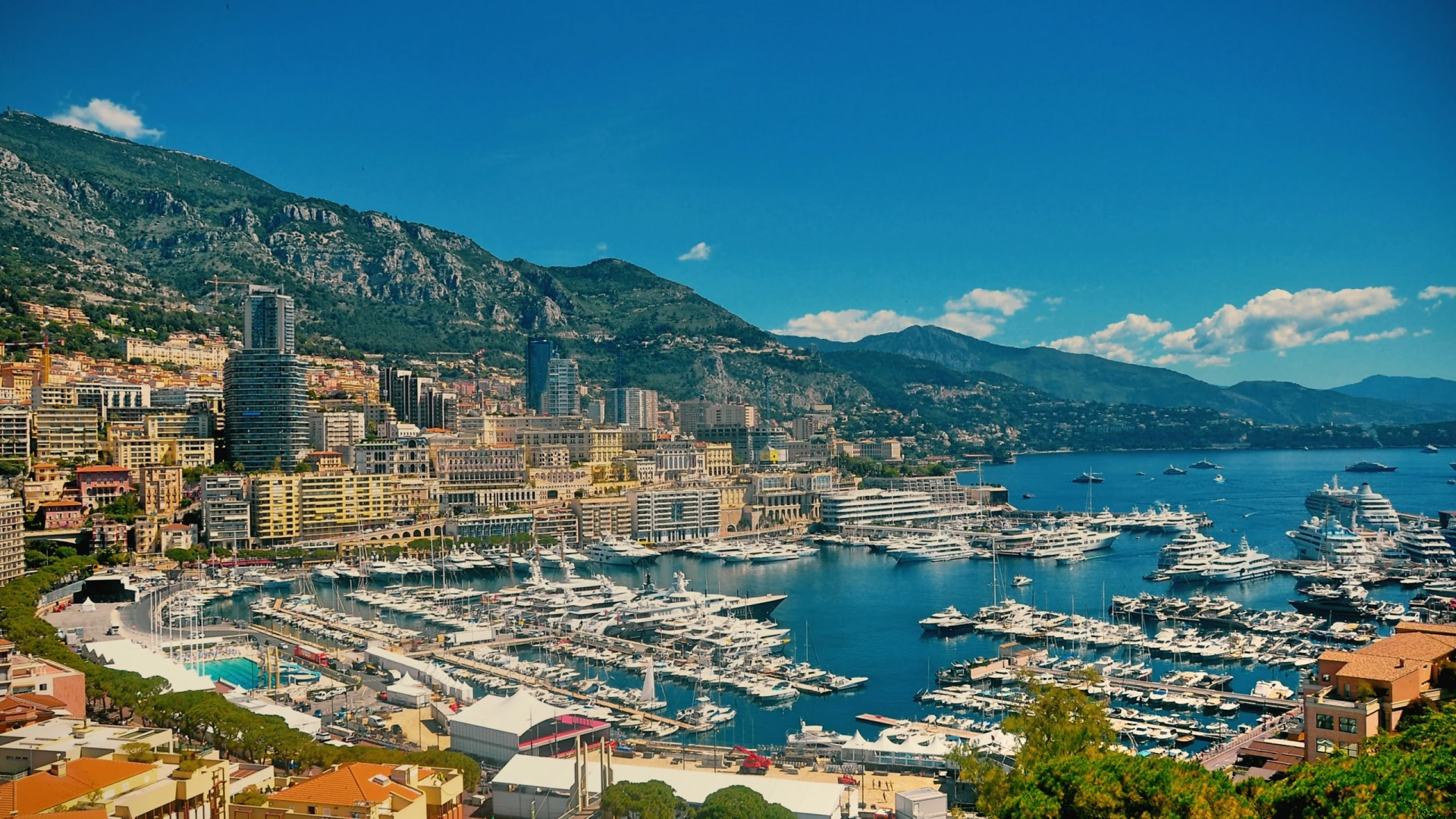
The Portier Cove development represents the most ambitious expansion of the Principality since the 1960s. This land reclamation project, which adds six hectares to the coastline, is a masterclass in the engineering of scarcity. With fewer than 120 residential units planned, the project is designed to be the ultimate expression of modern luxury. The cost of the project, estimated at over €2 billion, is a proof of the fact that in Monaco, if you cannot find the land you need, you simply manufacture it.
The architecture of Portier Cove is a departure from the Belle Époque aesthetic that defines much of the older districts. It is a vision of the future, characterized by sustainable design and integrated technology. According to the developers, Bouygues Travaux Publics, the project utilizes advanced environmental mitigation techniques to ensure that the marine ecosystem remains undisturbed. This commitment to sustainability is not merely altruistic; it is a requirement for the modern ultra-high-net-worth buyer, who demands that their investments align with the ESG mandates of their family offices.
The pricing strategy for Portier Cove is aggressive, with some units expected to exceed €150,000 per square meter. This is not a speculative price; it is a reflection of the fact that this is the last major development of its kind in the Principality. The scarcity of the units, combined with the prestige of the address, ensures that demand will far outstrip supply for decades to come. When the first residents move in, they will be occupying a space that is literally carved out of the sea, a physical manifestation of the power of capital to reshape the natural world.
The Brokerage Ecosystem: Savills, John Taylor, and Zingraf
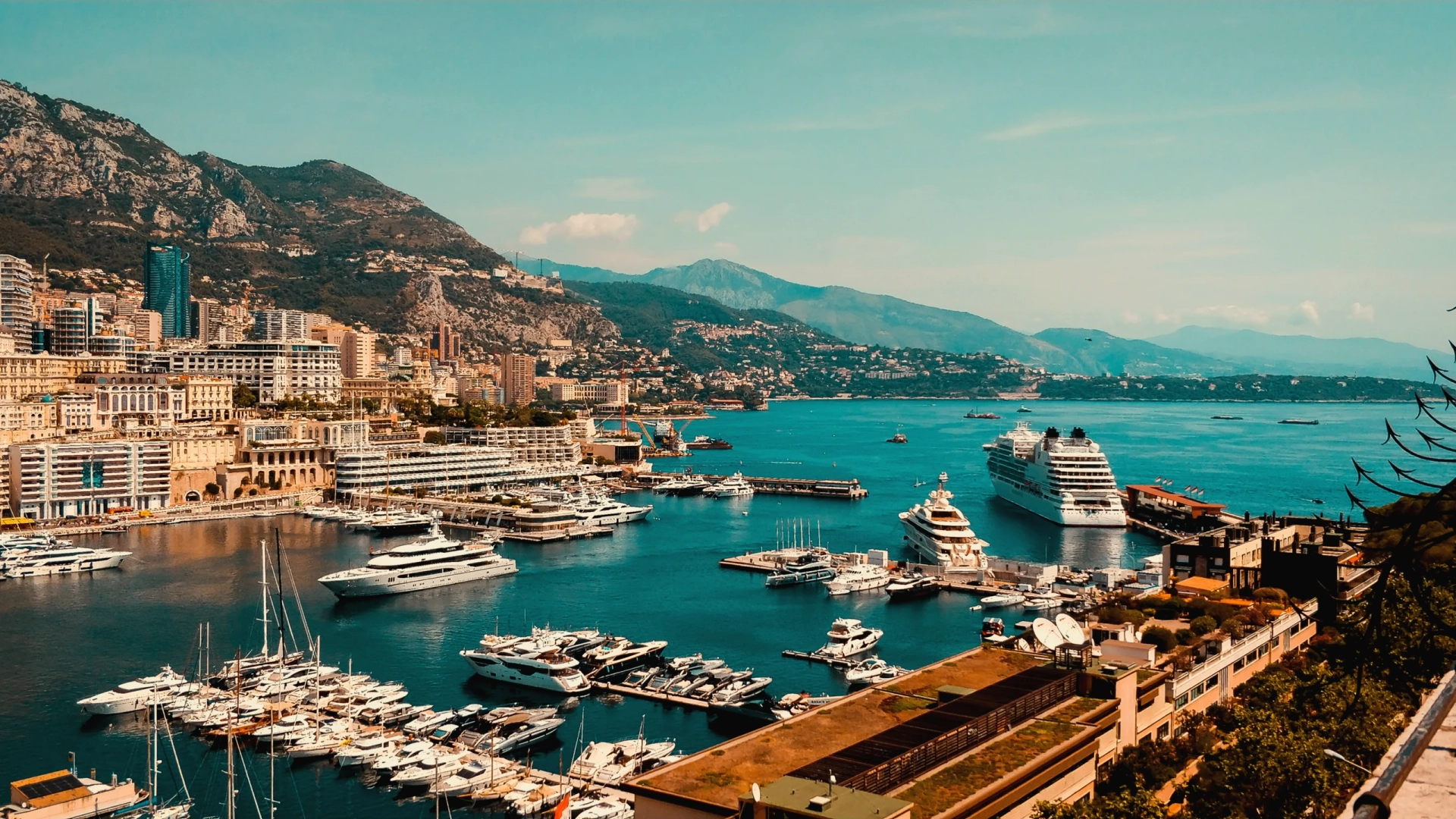
The brokerage landscape in Monaco is a closed loop. Savills Monaco, John Taylor, and Michaël Zingraf are not merely real estate agents; they are the architects of the market’s internal logic. They maintain the databases of the ultra-wealthy, tracking the movements of capital with the precision of a central bank. When a property comes to market, it is rarely advertised on a public portal. Instead, it is circulated through a private network of family offices and wealth managers, ensuring that the asset remains within a specific social orbit.
The role of these brokerages is to manage the psychological aspect of the transaction. In a market where price is secondary to availability, the broker’s primary job is to validate the buyer’s status. According to a 2024 analysis by the Monaco Real Estate Chamber, the average time on market for a prime property is less than three months, despite the lack of public listings. This velocity is a direct result of the brokerages’ ability to match buyers with properties before they ever reach the open market. They are the gatekeepers of the 35% of transactions that occur behind closed doors.
The relationship between the broker and the client is often generational. A family that has been represented by John Taylor for thirty years expects a level of service that transcends the transaction. They expect the broker to know their preferences, their security requirements, and their long-term investment goals. This creates a market where the broker is a trusted advisor, a fiduciary who manages the client’s real estate portfolio with the same rigor that a private bank manages their liquid assets. It is a system built on reputation, discretion, and the relentless pursuit of the best possible asset.
The Valuation of History and Prestige
In the Carré d'Or, history is a premium. An apartment in a building constructed in the 1920s carries a different valuation than a unit in a modern high-rise. This is the "prestige premium," a factor that is difficult to quantify but impossible to ignore. According to historical data from the Monaco Department of Urban Planning, properties located within walking distance of the Casino de Monte-Carlo have seen a 400% appreciation in value over the last twenty years. This is more than about the quality of the construction; it is about the proximity to the center of the world’s most exclusive social scene.
The sensory experience of these older buildings is part of their value. The high ceilings, the intricate moldings, and the marble-clad lobbies are reminders of a time when Monaco was the playground of the European aristocracy. For the modern buyer, these details are essential. They are buying into a narrative of continuity, a sense that they are part of a lineage that stretches back to the era of the Belle Époque. This historical weight acts as a buffer against market volatility, ensuring that even in times of global economic uncertainty, the value of these properties remains anchored in their cultural significance.
However, this prestige comes with challenges. Maintaining these historic structures requires a level of expertise that is increasingly rare. The restoration of a 19th-century facade requires specialized artisans and a commitment to historical accuracy that is both time-consuming and expensive. Yet, for the owners, this is a badge of honor. They are the custodians of the Principality’s heritage, and their investment in the preservation of these buildings is a reflection of their commitment to the long-term health of the Monaco market.
The Global Context of the Monaco Premium
Monaco does not exist in a vacuum. Its real estate market is deeply connected to the global flows of capital. When the stock markets in New York or Hong Kong experience a correction, the impact is felt in the Principality, but not in the way one might expect. Instead of a decline in prices, there is often a flight to safety. Investors pull their capital from volatile markets and park it in Monaco, viewing it as the ultimate safe haven. According to the 2024 Global Prime Residential Index, Monaco’s price growth has remained decoupled from the broader European market, showing a resilience that is unique to the Principality.
This decoupling is a result of the specific demographic that buys in Monaco. These are not individuals who are reliant on mortgage financing. They are cash buyers, often using complex corporate structures to facilitate the purchase. This removes the interest rate sensitivity that plagues other luxury markets. When the European Central Bank raises rates, the impact on the Monaco market is negligible. The buyers are playing a different game, one where the cost of capital is less important than the security of the asset and the tax advantages of the jurisdiction.
The competition for space in Monaco is also driven by the global nature of the buyer pool. With residents from over 140 nationalities, the Principality is a truly international hub. This diversity of demand ensures that the market is not reliant on any single economy. If the demand from the Middle East slows, it is often offset by an increase in interest from North America or Asia. This global diversification is the final piece of the puzzle, the reason why the Monaco premium is more than a local phenomenon, but a global standard for the valuation of luxury assets.
The Future of the Principality: A Controlled Evolution
The future of Monaco is one of controlled evolution. The government is acutely aware of the need to balance growth with the preservation of the Principality’s unique character. The development of Portier Cove is a prime example of this strategy. It is more than about adding more units; it is about adding the right kind of units, ones that meet the demands of the 21st-century ultra-wealthy. According to the Monaco Economic Board, the focus for the next decade will be on sustainable development and the integration of smart city technologies.
This evolution is not without its critics. Some argue that the constant construction and the influx of new wealth are changing the character of the Principality. Yet, the data suggests that the market is thriving. The demand for space continues to grow, and the prices continue to rise. For the buyer from Singapore, or the investor from New York, the changes are irrelevant. What matters is that Monaco remains the most stable, the most secure, and the most prestigious place to hold wealth in the world.
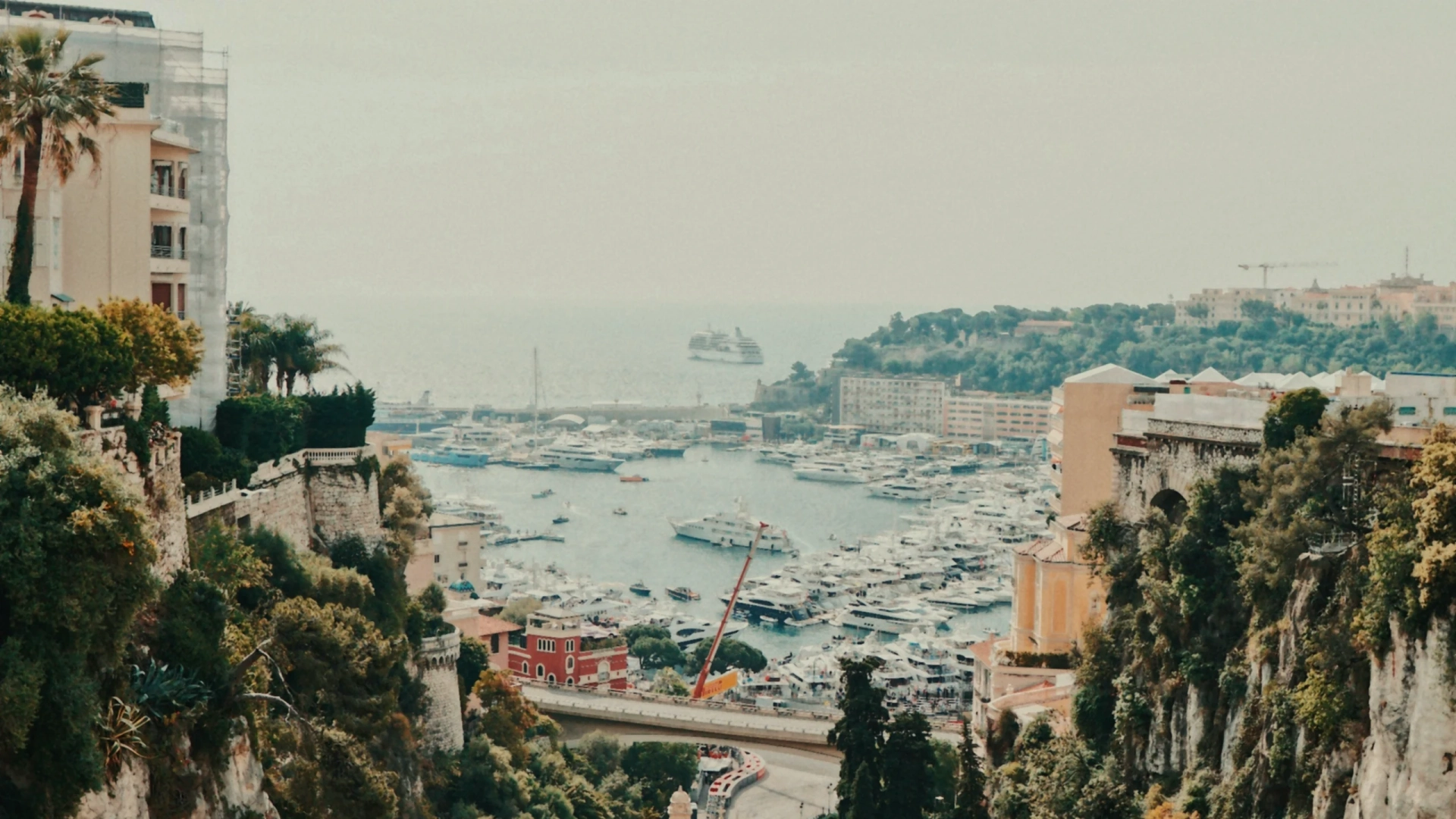
As the sun sets over the Mediterranean, casting a golden light on the yachts anchored in Port Hercule, the scene is one of quiet, calculated prosperity. The agents are closing their laptops, the buyers are heading to dinner at the Hôtel de Paris, and the market is, for the moment, at rest. There is no need for grand declarations or dramatic shifts. The value of the Principality is written in the stone of its buildings and the silence of its transactions. It is a market that has mastered the art of being both a home and a vault, a place where the valuation of space is the ultimate expression of the power of the few.
Shopygram Exclusive Intelligence
Monaco vs Blue-Chip Art — 10-Year Volatility
Price Performance Index: 2014 = 100
Intelligence Source: Sotheby's Mei Moses Art Index; Monaco Statistics
The Curator's Selection
Real EstateShopygram may receive a referral fee when you transact through these links. Our editorial recommendations are independent of commercial relationships.
The Intelligence Behind the Destination
How much does an apartment cost in Monaco?
Monaco averages $50,000–$100,000 per square metre, making it the most expensive real estate market in the world. A 200m² apartment in a premium building — Odéon Tower, Tour Odéon, Le Metropole — ranges from €15–25 million. Penthouse apartments with panoramic harbour views regularly exceed €50 million.
Can foreigners buy property in Monaco?
Yes. Monaco imposes no nationality restrictions on property purchase. Foreign nationals buy, own, and sell Monaco property freely. There is no requirement to become a Monaco resident to purchase property, and no annual property tax once ownership is established.
What taxes apply to buying property in Monaco?
Monaco levies a registration fee of 4.5% of the purchase price. There is no annual property tax, no capital gains tax for individuals, and no inheritance tax between direct family members. These advantages make Monaco property among the most tax-efficient real estate ownership structures globally.
Why is Monaco real estate so expensive?
Monaco has a fixed land area of 2.02 km² with no possibility of meaningful expansion — despite ongoing reclamation projects. Every new apartment built replaces something else. Combined with the highest concentration of ultra-high-net-worth individuals per square kilometre of any location on Earth, supply is permanently constrained against permanently accelerating demand.
What are the best buildings to buy in Monaco?
Tour Odéon offers the most comprehensive amenities and views. Le Metropole and Parc Saint Roman are preferred by established residents for their privacy and management quality. The Carré d'Or — the Golden Square between Casino Square and Port Hercule — commands the premium for proximity and prestige.
The Author
Sébastien Kaël
Contributing Editor — Real Estate & Capital MarketsFood and travel correspondent whose work spans three-Michelin-star dining, private island retreats, and the architecture of ultra-luxury hospitality.