Travel
The Address Without a Sign: Inside the Destination Boutiques That Require an Introduction, Not an Invitation
The retail fortresses operating without signage, relying entirely on geographic scarcity, rigorous social selection, and whisper networks to maintain absolute exclusivity.
The Address Without a Sign: Inside the Destination Boutiques That Require an Introduction, Not an Invitation
On a cold Tuesday afternoon in late November, Sofia, an independent art advisor based in Zurich, steps out of a black Mercedes-Benz S-Class onto the wet cobblestones of Milan’s Via Montenapoleone. She bypasses the main entrance of the Loro Piana flagship, where tourists crowd the ground-floor display of Extra Pocket bags. Instead, she walks twenty paces to the left, entering an unmarked stone archway leading to a quiet courtyard. Here, a heavy oak door with a simple brass handle—completely devoid of any logo, sign, or operating hours—opens to her touch.
This is the physical manifestation of a profound shift in ultra-high-net-worth commerce. According to Bain & Company’s 2024 Luxury Goods Worldwide Market Study, sales to the top two percent of global luxury consumers now account for forty-five percent of total market revenue, up from thirty-five percent in 2019. As mass-market luxury brands expand their digital footprints and open sprawling, highly visible flagships in airport terminals and suburban mega-malls, the truly affluent are retreating behind closed doors. The physical storefront is no longer a billboard; it is a filter.
For these individuals, the ultimate retail experience is defined by what is absent: there are no security guards standing at attention, no security tags on the sleeves, no price tags dangling from silk threads, and, most importantly, no cash registers. The transaction has been decoupled from the physical space, transformed into a quiet agreement between a client and an advisor who has known their family’s sizing and aesthetic preferences for a decade.
Loro Piana: The Private Client Rooms, Via Montenapoleone, Milan
To enter the private client rooms on the upper floors of Loro Piana’s Palazzo Melzi d'Eril on Via Montenapoleone is to leave the noise of Milanese retail behind. The transition is marked by a change in acoustics. The hard marble floors of the public street give way to thick, custom-woven wool-and-silk carpets that swallow the sound of footsteps. The air is lightly scented with cedarwood and white tea, a subtle fragrance developed exclusively for the brand’s private salons.
The lighting, designed by Italian architect Piero Lissoni, is calibrated to exactly 2700 Kelvin, mimicking the warm, diffused glow of late-afternoon sun over Lake Como. There are no fluorescent spotlights or harsh dressing-room mirrors. Instead, the walls are paneled in pale oak and upholstered in un-dyed, double-faced cashmere.
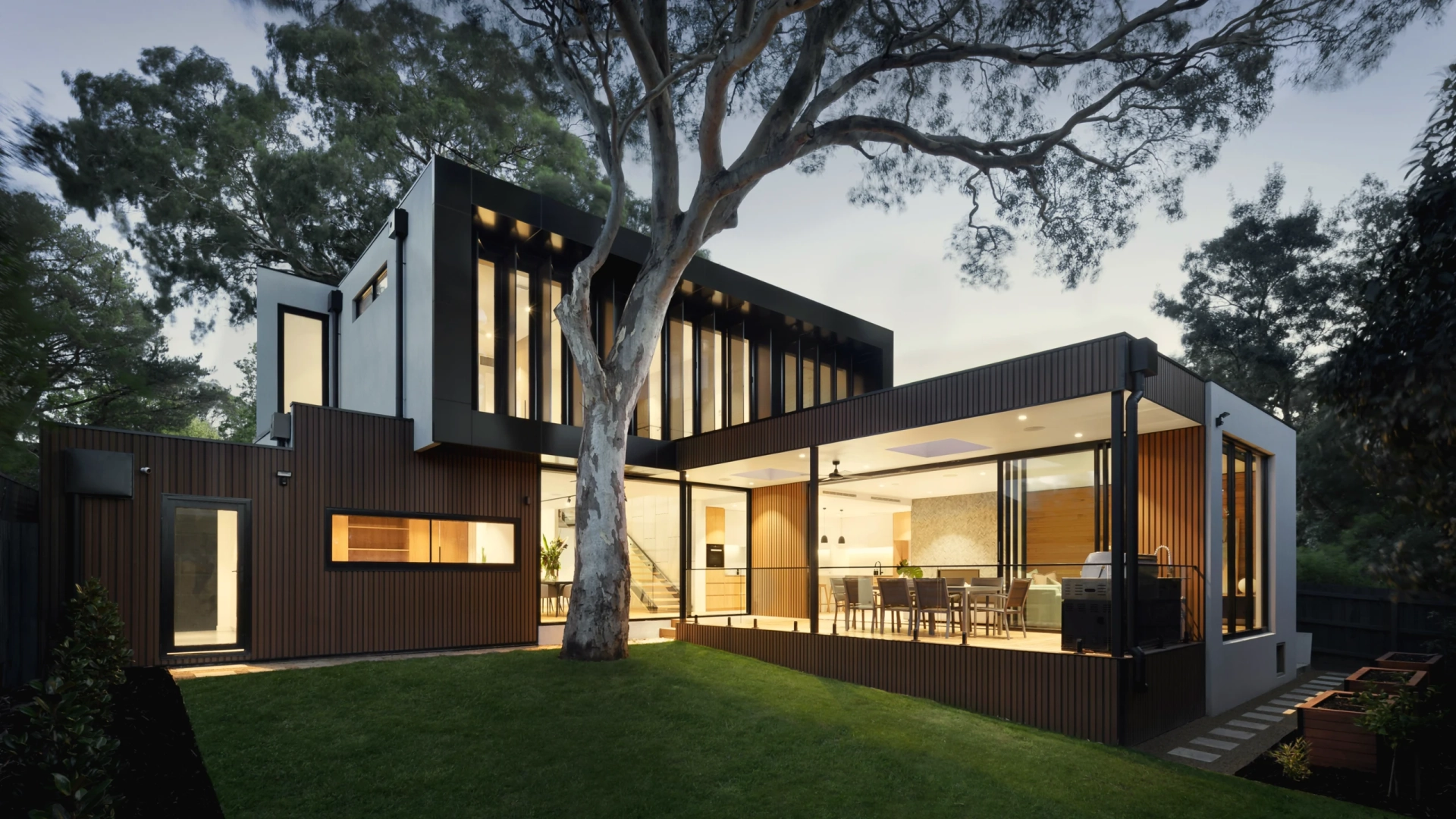
A private advisor guides guests to a mid-century modern sofa upholstered in a heavy, textured bouclé. On a low travertine table sits a silver tray with espresso served in Richard Ginori porcelain, accompanied by a small bowl of fresh raspberries. There is no clothing on hangers in this room. Instead, the advisor brings out specific garments based on a pre-arrival consultation, presenting them like rare manuscripts.
The sensory experience of the garments themselves is the primary focus. When a client touches a €28,000 vicuña overcoat, the fabric feels weightless, almost liquid, a stark contrast to the heavy, stiff wools of standard tailoring. The vicuña fibers, measuring just 12 microns in diameter—compared to approximately 15 microns for the finest cashmere—are sourced from wild animals in the Peruvian Andes under strict government conservation programs.
There is no cash register, card reader, or visible point-of-sale terminal in the room. When a purchase is made, the client simply nods. The transaction is processed quietly in a back office via a pre-authorized digital ledger, and the garments are delivered directly to the client’s hotel suite or private residence in garment bags made of breathable, unbleached linen.
Brunello Cucinelli: The Medieval Hamlet of Solomeo, Umbria
For those seeking the source of Brunello Cucinelli’s knitwear, the destination is not a city street but a 14th-century hilltop village in Umbria. Solomeo, located fifteen kilometers south of Perugia, serves as both the headquarters of the brand and the ultimate private showroom. Since 1985, Cucinelli has invested tens of millions of euros in restoring the medieval hamlet, rebuilding the castle, the church of San Bartolomeo, and constructing a massive "Forum of the Arts" that includes a 240-seat theater built from local travertine.
Arriving at Solomeo feels less like a shopping trip and more like an invitation to a private estate. Visitors walk through narrow stone alleys paved with local *pietra serena* limestone. The air smells of woodsmoke, rosemary, and damp earth. The private showroom is housed within the thick stone walls of the restored castle, where the temperature remains cool and constant, preserved by the ancient masonry.
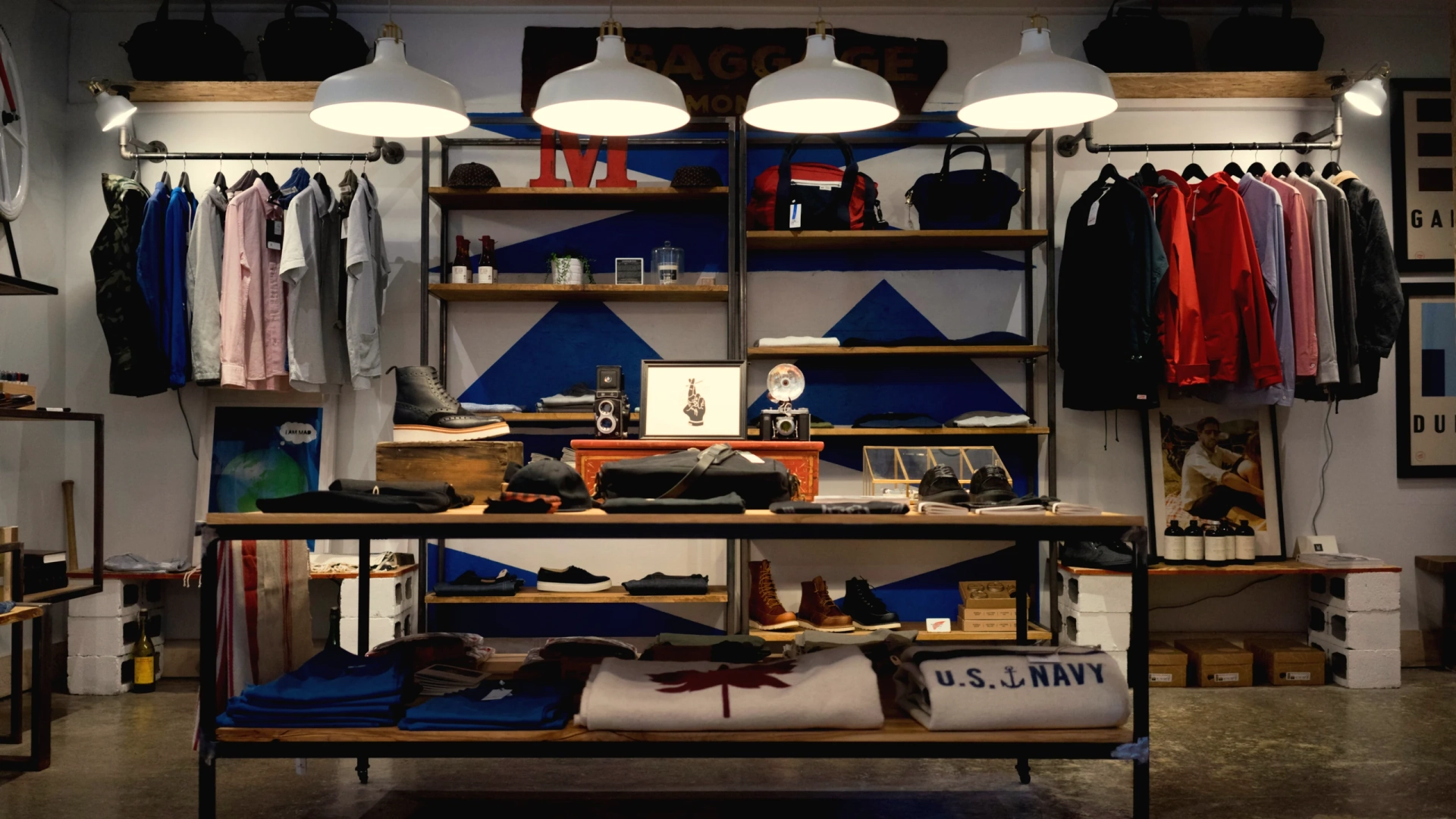
Inside, the philosophy of "humanistic capitalism" is written into the architecture. Large arched windows look out over the green expanse of the Umbrian valley, where olive groves and vineyards stretch toward the horizon. The interior is furnished with rustic, oversized Umbrian oak tables, linen-covered sofas, and open fireplaces where olive wood burns quietly during the winter months.
Clients are invited to spend the day. The experience often begins with a long, communal lunch in the company’s stone-walled dining hall, where local women prepare traditional Umbrian dishes—such as hand-rolled strangozzi pasta with wild mushrooms and local olive oil—using ingredients grown in the surrounding valley.
Only after lunch does the client view the collections. The garments—such as a double-breasted cashmere blazer priced at €5,400 or a hand-knit sequined cardigan—are draped casually over the oak tables, allowing guests to feel the loft and softness of the yarn. There are no sales pitches. The transaction is an afterthought, handled by a personal concierge who coordinates the shipping of custom-tailored pieces to the client's global addresses.
Aesop: The Unmarked Aoyama Store, Tokyo
In Tokyo’s quiet, residential Minami-Aoyama neighborhood, located away from the neon-lit main thoroughfares of Omotesando, sits an Aesop store that defies the conventions of modern beauty retail. Designed by Jo Nagasaka of Schemata Architects, the storefront has no large glass windows displaying product bottles, nor does it feature the bright, clinical lighting common to cosmetics shops. The exterior is a simple facade of rough-cast, dark gray concrete with a single, small brass plate bearing the brand's name near the door handle.
Upon crossing the threshold, the sensory environment shifts dramatically. The air is cool and thick with the scent of smoked vetiver, cedarwood, and bergamot—a custom blend of essential oils diffused through the ventilation system. The interior is a study in brutalist minimalism: the walls and floors are made of raw, unfinished concrete, showing the aggregate and the marks of the wooden forms used to pour them.
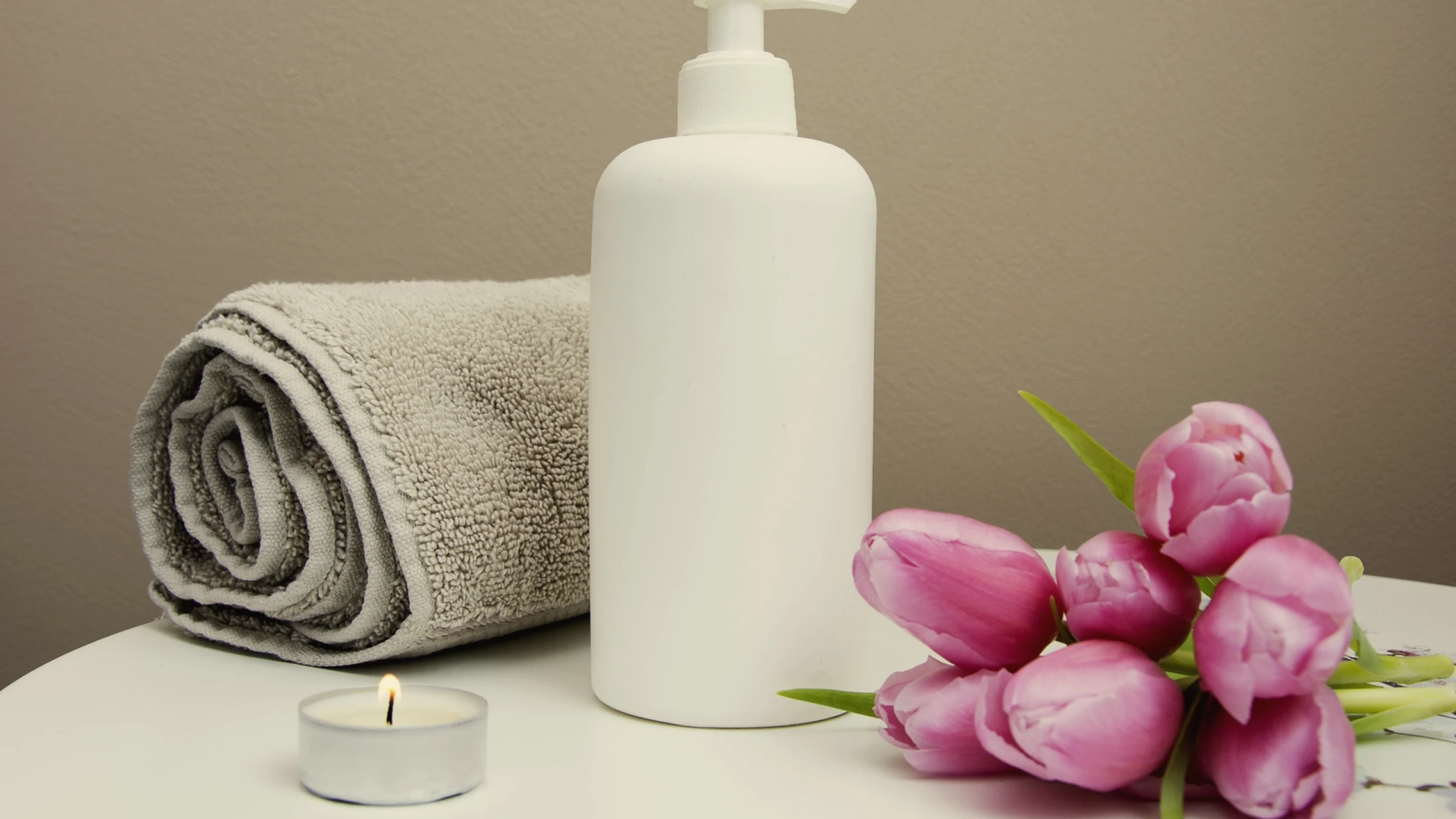
The focal point of the space is a single, massive shelf made from a solid piece of reclaimed Japanese elm, sourced from a demolished farmhouse in the Nagano prefecture. On this shelf, a small selection of amber glass bottles is arranged with mathematical precision. There are no promotional signs, no digital screens, and no plastic packaging.
A central basin, carved from a single block of dark, textured basalt stone, features a continuous, silent stream of warm water flowing from a minimalist brass fixture. A consultant invites the visitor to sit on a low, black steel stool. The consultant does not ask what skin type the visitor has; instead, they begin by washing the visitor’s hands with a warm, damp cloth infused with Resurrection Aromatique Hand Wash, which contains mandarin rind, rosemary leaf, and cedar atlas.
The transaction here is quiet and deliberate. The products, such as the €125 Lucent Facial Concentrate, are wrapped in simple, unbleached cotton drawstring bags rather than paper or plastic. According to Knight Frank’s 2024 Wealth Report, ultra-high-net-worth individuals are increasingly prioritizing wellness and self-care products that offer a tactile, analog experience in an increasingly digital world. This Tokyo space serves as a physical sanctuary for that ethos.
Hermès: The Private Client Apartment, Rue du Faubourg Saint-Honoré, Paris
While the ground floor of the Hermès flagship at 24 Rue du Faubourg Saint-Honoré in Paris is a bustling hive of international tourists vying for silk scarves and enamel bangles, the upper floors contain a world accessible only to a select few. This is the private client apartment, a series of salons reserved for individuals who have spent years building relationships with the house. Access is strictly by appointment, arranged weeks in advance by a senior director.
To reach the apartment, a client is escorted past the public sales floors to a discreet, wood-paneled elevator at the back of the building. The elevator opens directly into a private foyer decorated with original 19th-century oil paintings from the private collection of Émile Hermès. The air smells of Doblis leather, beeswax, and fresh jasmine from the private rooftop garden designed by landscape architect Yasuo Kondo.
The apartment is designed to feel like a grand Parisian residence. The floors are herringbone oak parquet, polished to a soft sheen, and covered with antique Persian rugs. The furniture includes a desk once owned by Napoleon Bonaparte and leather armchairs designed by Jean-Michel Frank in the 1930s.
In these rooms, clients are shown the most exclusive creations of the house, including special-order Birkin and Kelly bags, bespoke leather goods, and high jewelry. A client might be presented with a Birkin 20 Sellier Faubourg—a highly collectible piece featuring a facade designed to look like the architectural details of the Paris flagship, crafted from five different leathers including matte alligator and Madame calfskin, priced at upwards of €120,000 on the secondary market.
The interaction is characterized by a complete lack of commercial pressure. The client is offered vintage Champagne—often a Dom Pérignon or Krug—and light pastries from a nearby patisserie. The discussion focuses on the heritage of the leather, the specific artisans who worked on the piece, and the customization options available, such as contrast stitching or custom hardware. The transaction is completed without the presentation of a bill; an invoice is sent later to the client’s family office or private bank.
The Row: Melrose Place, Los Angeles
Located at 8440 Melrose Place in West Hollywood, the flagship store of The Row, designed by Mary-Kate and Ashley Olsen in collaboration with Montalba Architects, is virtually invisible from the street. There are no display windows, no mannequins, and no signage on the exterior wall, which is covered in climbing ivy and shaded by mature olive trees. A single, heavy black door is the only indication of an entrance.
Upon entering, the visitor does not find racks of clothing. Instead, they step into a mid-century modern oasis centered around a sparkling, turquoise swimming pool. The space is designed to mimic a private residence in the Hollywood Hills, complete with glass walls that slide open to let in the warm California breeze.
The interior is furnished with an extraordinary collection of mid-century design classics, including a Pierre Jeanneret Easy Chair, a Jean Royère sofa, and lighting fixtures by Serge Mouille. Every piece of furniture is for sale, alongside the clothing. The garments themselves—such as the signature Margaux bag in grained calfskin, priced at $6,800, or a double-breasted cashmere coat priced at $9,500—are tucked away in custom white-oak wardrobes and walk-in closets, rather than displayed on standard retail racks.
The atmosphere is quiet and residential. Visitors are encouraged to sit by the pool, read from a selection of rare art books, or enjoy a glass of cold-pressed green juice or iced matcha tea. There are no security guards in uniform; instead, discreet staff members in tailored black suits move quietly through the space, assisting clients with sizing and styling.
According to McKinsey & Company’s State of Fashion 2025 report, physical retail spaces are increasingly transitioning from transactional environments to cultural salons where brand identity is communicated through architecture, art, and design rather than product density. The Row’s Melrose Place store is a prime example of this trend, offering a space where the product is secondary to the atmosphere of quiet, residential luxury.
The Evolution of the Unmarked Door
The rise of these destination boutiques represents a fundamental shift in how luxury is consumed. In an era where almost any product can be purchased online with a single click, the physical store must offer something that cannot be replicated on a screen: a sense of place, a tactile connection to craftsmanship, and complete privacy.
These spaces are not designed to attract new customers; they are designed to deepen the relationship with existing ones. By removing the traditional markers of retail—the signs, the cash registers, the crowded display racks—these brands have created environments that feel less like shops and more like private homes, clubs, or cultural institutions.
As the global market for luxury goods continues to polarize, the brands that succeed will be those that understand that for the ultra-wealthy, the greatest luxury of all is the ability to disappear. The address without a sign is more than a marketing tactic; it is a sanctuary for a class of consumer that values discretion above all else. In these quiet rooms, far removed from the noise of the high street, the true value of luxury is preserved not in the price tag, but in the quiet, sensory experience of the space itself.
Shopygram Exclusive Intelligence
Boutique Appointment Wait-times — Global Index
Average Lead Time (Days)
Intelligence Source: Luxury Retail Advisory Council
The Intelligence Behind the Destination
How do you gain access to appointment-only luxury boutiques?
Through existing client relationships with the house, referral from an established client, or through luxury concierge networks (Quintessentially, Velocity Black) that maintain direct lines to brand hospitality teams. Cold approaches to appointment-only spaces are rarely accommodated.
What brands have the most exclusive private client programmes?
Hermès (atelier access), Chanel (pre-collection private presentations), Louis Vuitton (bespoke trunk commission programme), Berluti (hand-lasted shoe atelier), and Patek Philippe (in-house museum and private viewing events for significant collectors).
Why are luxury brands deliberately making themselves harder to access?
Scarcity is the primary driver of perceived value in luxury. A brand that is accessible to anyone is not, by definition, luxury. The removal of accessibility — through appointment requirements, introduction protocols, and private spaces — is a strategic tool for repositioning upmarket, not a logistical constraint.
The Author