Escapes
The Standing Cost: What a 60-Metre Superyacht Consumes When the Owner is Thousands of Miles Away
A superyacht at berth consumes significant operational capital before the owner arrives. The crew retention, insurance structures, and constant maintenance schedules that define the hidden reality of ownership.
The Standing Cost: What a 60-Metre Superyacht Consumes When the Owner is Thousands of Miles Away
The Calculus of the Horizon
The maritime industry operates under a deceptively simple heuristic known as the "ten percent rule." It suggests that the annual operating expenditure of a superyacht—regardless of its length overall—will inevitably gravitate toward ten percent of its initial capital cost. While this serves as a baseline for the uninitiated, the reality of maintaining a floating asset of this magnitude is a complex exercise in logistics, human resources, and geopolitical navigation. For the owner, the yacht is not merely a vessel; it is a mobile enterprise requiring the same fiscal rigor as a mid-sized corporation, yet subject to the volatile whims of salt air, international maritime law, and the fluctuating price of marine gas oil.
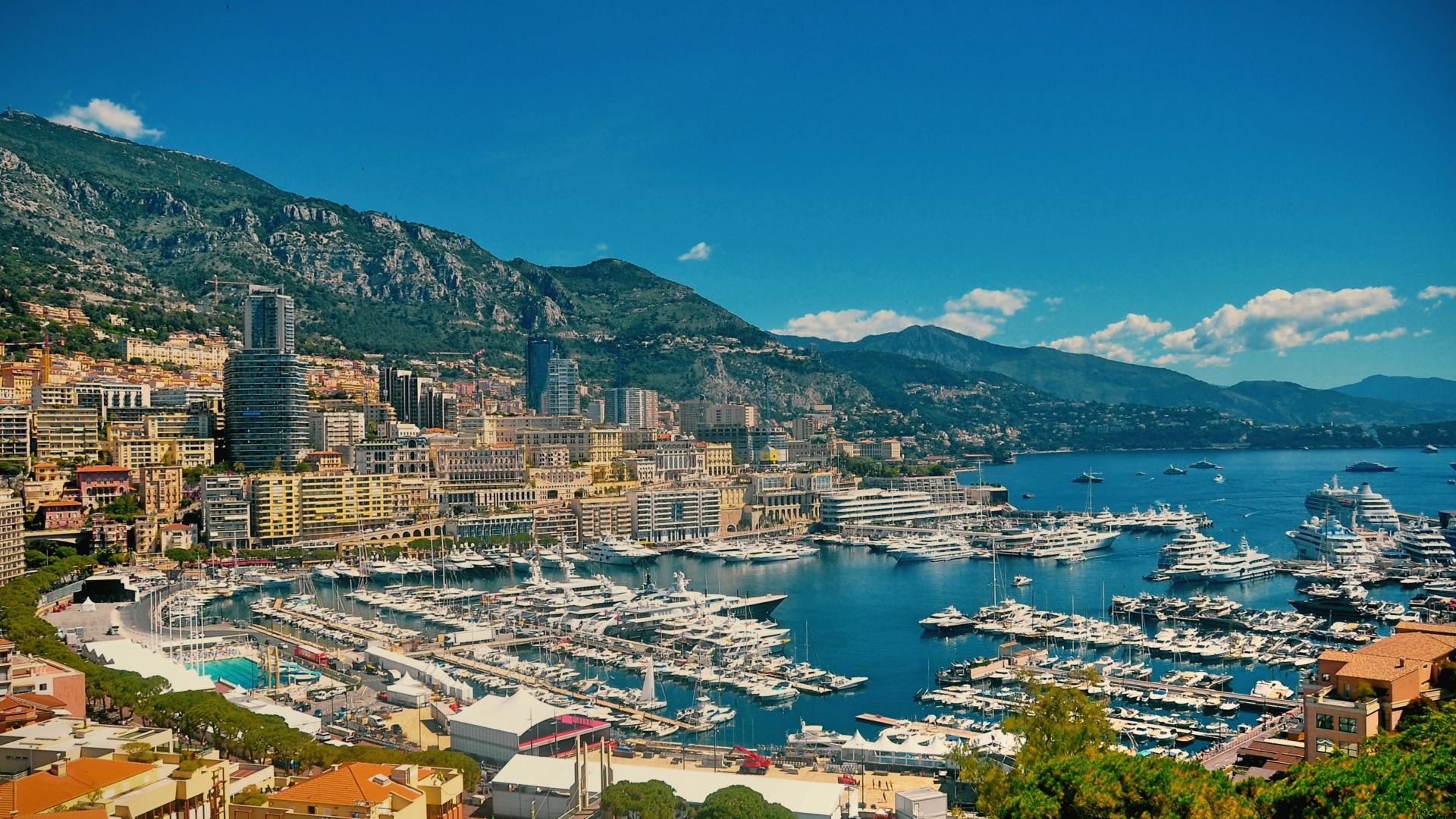
In the harbor of Port Hercule, Monaco, the morning light catches the teak decks of a 60-metre vessel. The air smells of espresso and diesel exhaust. A deckhand, his uniform crisp despite the humidity, meticulously wipes a stainless steel railing with a microfiber cloth, ensuring no salt residue remains to pit the metal. This is the daily ritual of preservation. Inside the bridge, the captain monitors the AIS transponder, tracking the proximity of other vessels while simultaneously reviewing a spreadsheet detailing the vessel’s fuel consumption over the last three crossings. The cost of this serenity is quantifiable, relentless, and rarely static.
The 40-Metre Threshold: The Entry Point of Complexity
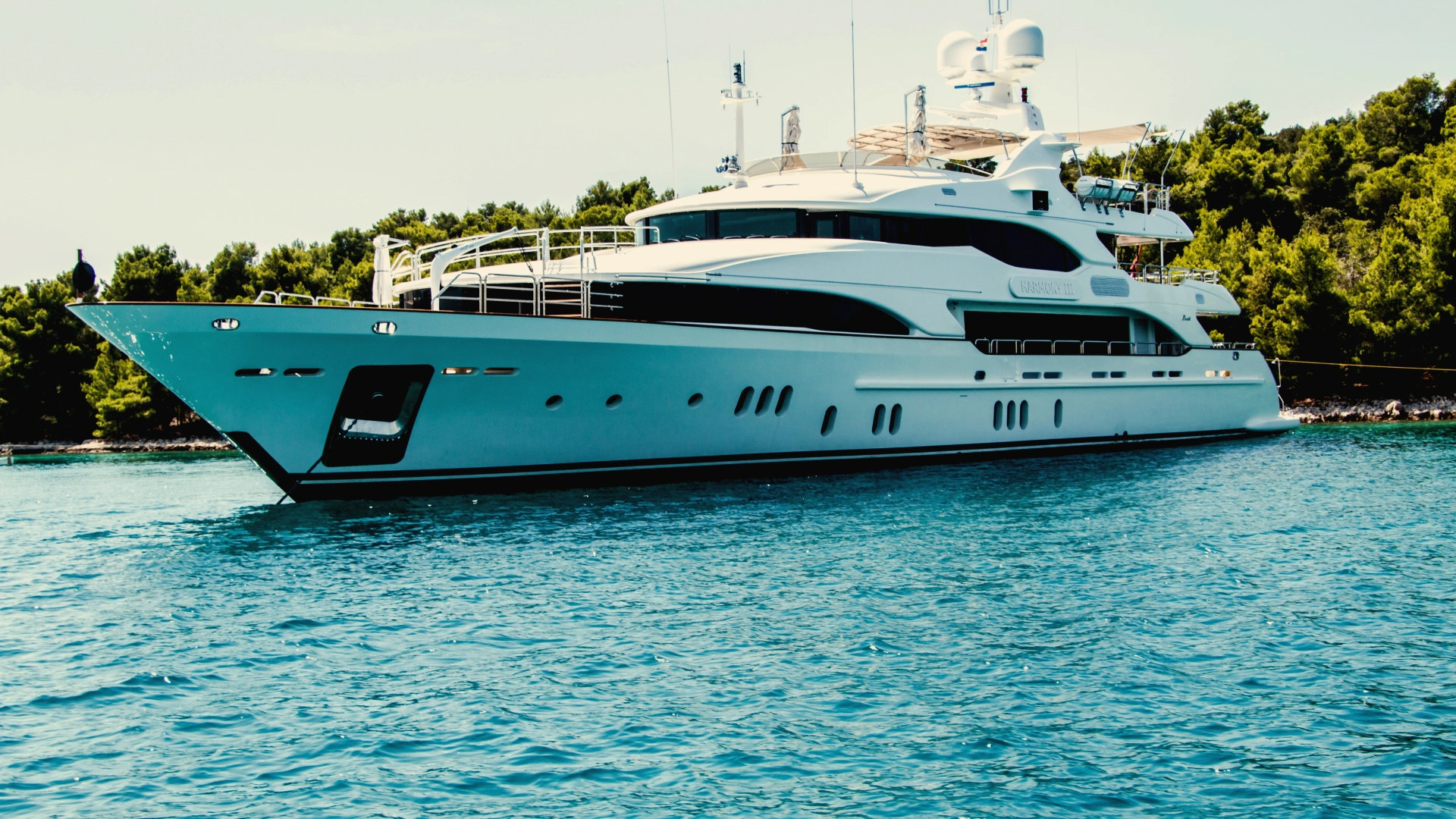
A 40-metre yacht, with a new-build valuation hovering around €15 million, represents the most common entry point for the serious owner. At this scale, the vessel is large enough to require a professional crew of eight, yet small enough to retain a sense of intimacy. The annual operating budget for such a craft typically ranges between €1.5 million and €2.46 million.
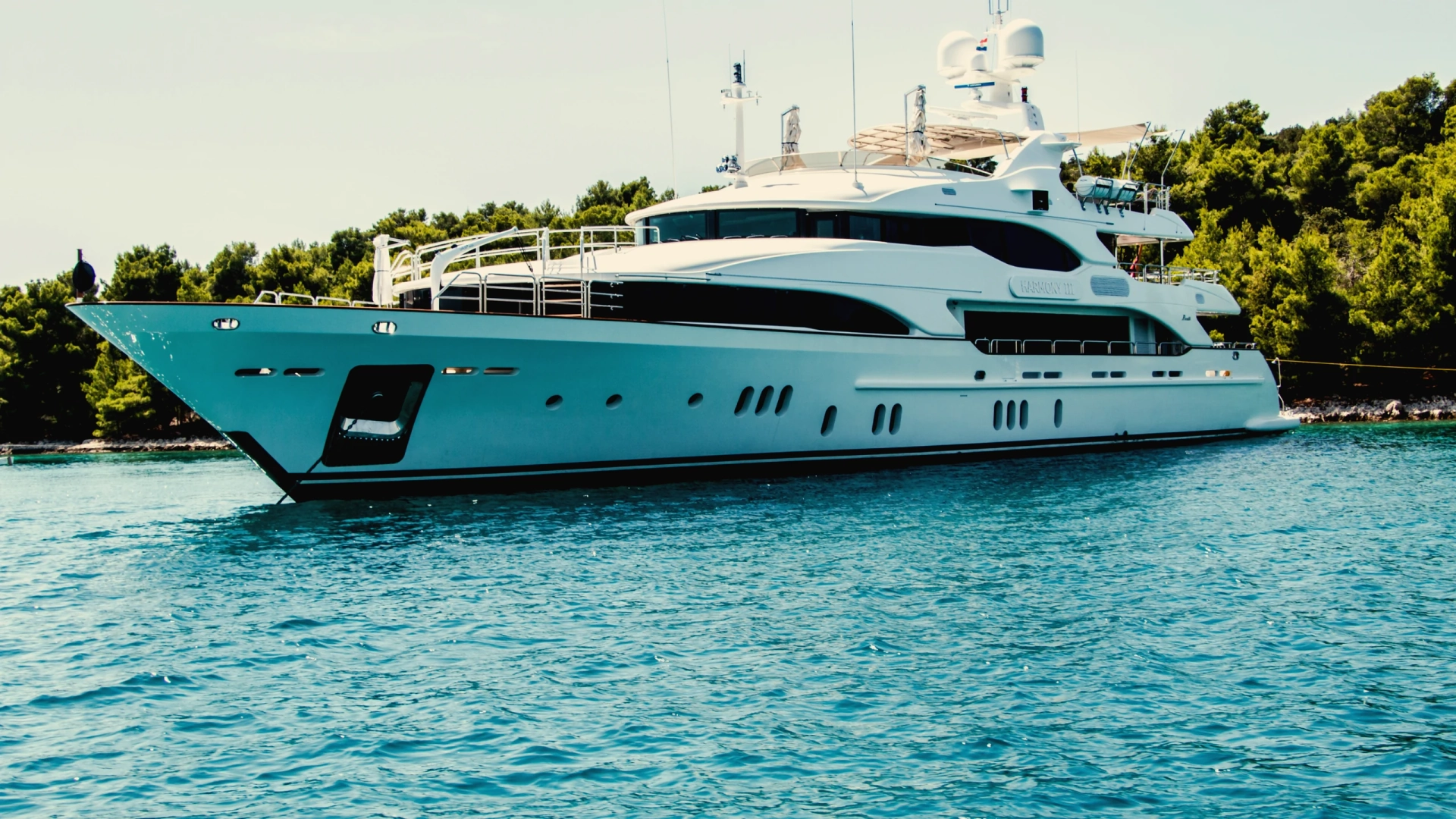
The primary driver of this expenditure is the crew. For a 40-metre vessel, the payroll—covering the captain, engineer, chef, stewardesses, and deckhands—accounts for roughly €600,000 to €800,000 annually. This figure is not merely a salary; it includes social security contributions, medical insurance, and the logistical costs of repatriation. Insurance premiums for a vessel of this value, factoring in hull and machinery coverage alongside Protection and Indemnity (P&I) liability, add another €225,000 to €400,000.
Maintenance is the silent predator of the budget. According to data from the 2024 Superyacht Annual Review, technical failures account for nearly 30% of unplanned downtime for vessels under 45 metres. Owners must allocate between €300,000 and €500,000 annually to cover everything from engine overhauls to the replacement of interior soft goods. Marina fees are equally variable. Securing a berth in a prime location like Port Hercule during the Monaco Yacht Show can cost upwards of €120,000 per month, though off-season rates in less congested ports may drop significantly. Fuel, calculated at a modest 1,000 nautical miles of cruising, adds a further €150,000 to €250,000, depending on the vessel's hull efficiency and the captain’s throttle discipline.
The 60-Metre Scale: The Charter Equilibrium
Moving to a 60-metre vessel, valued at approximately €30 million, the operational profile shifts from a private residence to a commercial-grade hospitality platform. The crew requirement jumps to 12, pushing payroll to between €1.2 million and €1.8 million. Total annual operating costs for a vessel of this size typically fall between €2.5 million and €5 million.
At this size, the economics of ownership often involve a strategic pivot toward chartering. A 60-metre yacht can command a weekly charter rate of €600,000 in high-demand regions like the Amalfi Coast or the French Riviera. If the owner manages to secure 12 weeks of charter activity per year, the gross revenue reaches €7.2 million. This figure, while impressive, must be weighed against the increased wear and tear on the vessel, the management fees paid to charter brokers—usually 15% to 20% of the gross fee—and the heightened expectations of charter guests.
The sensory experience of a 60-metre yacht is distinct. In Porto Cervo, the sound of a tender engine approaching the stern platform is the signal for the stewardess to prepare the afternoon service. The champagne is chilled to exactly 8 degrees Celsius, and the floral arrangements are replaced every 48 hours to ensure freshness. These details are not incidental; they are part of the product. The management company, which charges between €100,000 and €200,000 annually for a vessel of this size, ensures that the yacht remains compliant with the International Safety Management (ISM) Code. Without this oversight, the vessel would be unable to secure the necessary insurance or enter major ports.
The 80-Metre Reality: The Floating Estate
When the length overall reaches 80 metres, the vessel enters the realm of the floating estate. With a new-build price tag of €80 million, the annual operating budget balloons to between €6 million and €10 million. At this scale, the crew count rises to 20 or more, necessitating a complex hierarchy of department heads, including a chief engineer, a purser, and a dedicated interior manager.
The payroll alone for an 80-metre yacht is a significant line item, ranging from €2 million to €3 million. Insurance premiums for a vessel of this size are rarely straightforward, often requiring bespoke policies that account for the yacht’s global cruising range and the value of the art and tenders housed on board. Maintenance costs are similarly scaled, with dry-docking periods occurring every 30 months under Lloyd’s Register or similar classification society rules. A single dry-docking event for an 80-metre vessel can easily exceed €1 million, covering everything from hull repainting to the servicing of stabilizers and thrusters.
The logistical burden of an 80-metre yacht is best illustrated by the fuel consumption. A vessel of this displacement, cruising at 14 knots, can consume hundreds of liters of fuel per hour. During a trans-Atlantic crossing, the fuel bill alone can exceed the annual operating budget of a smaller, 30-metre yacht. Furthermore, the marina fees in iconic locations like Portofino or the IGY marinas in the Caribbean are often calculated by the metre per day, with peak-season premiums that can double or triple the standard rate.
The Geography of Cost
The location of the vessel dictates the financial trajectory of the year. According to the Knight Frank 2025 Prime Global Cities Index, the concentration of ultra-high-net-worth individuals in Mediterranean hubs continues to drive up the cost of berthing. Port Hercule remains the epicenter of this demand. A berth in Monaco is not merely a parking space; it is a strategic asset. Owners who secure long-term leases on prime berths often find that the value of the lease appreciates faster than the vessel itself.
Conversely, cruising in the South Pacific or the Indian Ocean introduces a different set of variables. While marina fees may be lower, the cost of logistics—shipping spare parts, flying in specialized technicians, and sourcing high-end provisions—can be astronomical. A broken water-maker in the middle of the Tuamotu Archipelago requires a private charter flight to deliver the necessary components, a cost that is rarely factored into the initial annual budget but is almost guaranteed to occur at least once in a three-year cycle.
The Human Element: Crew Retention and Culture
The most volatile variable in the operating budget is the crew. A vessel is only as efficient as its captain and chief engineer. High turnover is the enemy of fiscal discipline. When a crew member leaves, the cost of recruitment, vetting, and training a replacement can run into the tens of thousands of euros. Furthermore, a new crew member requires time to learn the specific idiosyncrasies of the vessel’s systems, leading to a temporary dip in operational efficiency.

The best-run yachts treat their crew as an investment rather than an expense. This means providing competitive salaries, comprehensive benefits, and a culture that prioritizes professional development. A captain who has been with a vessel for five years knows exactly how to tune the engines for maximum fuel efficiency and how to negotiate with local port authorities to avoid unnecessary fees. This institutional knowledge is worth far more than the salary paid to retain it.
The Maintenance Cycle: A Technical Imperative
Maintenance is not a reactive process; it is a scheduled, technical imperative. Every piece of equipment on a superyacht has a service interval. The main engines, typically supplied by manufacturers like MTU or Caterpillar, require major overhauls after a specific number of running hours. The stabilizers, which ensure the comfort of guests in heavy seas, require annual servicing of their hydraulic systems.
The digital infrastructure of a modern superyacht is equally demanding. With the integration of high-speed satellite internet, such as Starlink Maritime, and sophisticated AV/IT systems, the vessel requires constant monitoring. A failure in the server room can render the yacht’s entertainment systems useless, a scenario that is unacceptable for a charter guest paying hundreds of thousands of euros per week. Consequently, the budget must include a dedicated line item for IT support and software licensing, which can reach €50,000 to €100,000 annually for an 80-metre vessel.
The Regulatory Landscape

Compliance is the bedrock of superyacht operations. The Large Yacht Code (LY3) and the subsequent LY4 standards dictate everything from the thickness of the glass in the bridge windows to the fire suppression systems in the engine room. Failure to adhere to these regulations can result in the vessel being detained by Port State Control, a catastrophic event that can ruin a charter season and damage the owner’s reputation.
The cost of compliance includes annual surveys, the maintenance of the Safety Management System (SMS), and the fees paid to the flag state. Whether the yacht is registered in the Cayman Islands, the Marshall Islands, or Malta, the administrative burden is significant. Owners must also navigate the complexities of international tax law, particularly regarding Value Added Tax (VAT) on fuel and charter income. In the European Union, the rules governing the commercial use of yachts are in a state of constant flux, requiring the owner to employ specialized maritime lawyers to ensure that the vessel remains in compliance with the latest directives.
The Hidden Costs of Ownership
Beyond the line items of fuel, crew, and maintenance, there are the "hidden" costs that often surprise new owners. These include the cost of maintaining the yacht’s tenders and toys—a 12-metre chase boat, a fleet of Jet Skis, and an inflatable slide can easily add €100,000 to the annual maintenance budget. There is also the cost of the owner’s personal preferences: the specific brand of linens, the curated wine cellar, and the bespoke floral arrangements that are flown in from the Netherlands.
These costs are not strictly necessary for the vessel to float, but they are essential for the experience that the owner expects. When a guest steps onto the aft deck, they do not see the fuel invoices or the maintenance logs. They see the polished chrome, the perfectly folded towels, and the seamless service. The standing cost of a superyacht is the price paid to maintain this illusion of effortless luxury.
The Fiscal Reality of the Horizon
The decision to own a superyacht is rarely driven by a desire for fiscal efficiency. It is a commitment to a lifestyle that demands the highest level of logistical support. Whether it is a 40-metre vessel in the Mediterranean or an 80-metre giant crossing the Atlantic, the operational requirements remain the same: a constant, vigilant focus on the details.
In the quiet hours of the night, when the yacht is anchored off the coast of a remote island, the hum of the generators is the only sound. The crew is resting, the guests are asleep, and the vessel is perfectly balanced in the water. This moment of stillness is the result of thousands of hours of labor and millions of euros in expenditure. It is a complex, high-stakes operation that requires the coordination of dozens of professionals across multiple continents.
The data provided by industry analysts confirms that the costs associated with these vessels are not decreasing. As technology advances and regulatory requirements become more stringent, the price of entry and the cost of maintenance will continue to rise. For the owner, the challenge is to manage these costs without compromising the integrity of the vessel or the quality of the experience. It is a balancing act that requires a deep understanding of the maritime industry and a willingness to engage with the complexities of global operations.
Ultimately, the standing cost of a superyacht is a reflection of the owner’s priorities. It is a statement of intent, a commitment to the pursuit of the horizon, and an acknowledgment that the most exclusive experiences in the world come with a price that is as vast as the ocean itself. The spreadsheets, the invoices, and the technical manuals are merely the scaffolding for a life lived on the water. The true value is found in the moments between the maintenance cycles, in the clarity of the horizon, and in the knowledge that the vessel is ready to depart at a moment’s notice, fully prepared for whatever the sea may demand.
Shopygram Exclusive Intelligence
Crew Wage Inflation vs Maintenance Index
Index: 2019 = 100 · 60-Metre Operations
Intelligence Source: Dockwalk / Yachting Pages Intelligence
The Curator's Selection
EscapesShopygram may receive a referral fee when you transact through these links. Our editorial recommendations are independent of commercial relationships.
The Intelligence Behind the Destination
How much does it cost to maintain a superyacht each year?
On average, an owner should expect to spend roughly 10% of the yacht's value annually on operating expenses. For a $50 million vessel, this means a baseline of $5 million per year for crew salaries, insurance, berthing, and routine maintenance, regardless of how often it is used.
Why do yachts require a full crew when the owner isn't there?
A superyacht is a complex industrial machine that operates in a corrosive marine environment. Systems like engines, generators, and climate control must be run and monitored daily. Additionally, a permanent crew ensures the vessel is kept in "showroom" condition and is ready for the owner's immediate arrival.
What are the most expensive "hidden" costs of yacht ownership?
Beyond fuel and crew, depreciation is the most significant cost. A new yacht can lose up to 20% of its value in the first few years. Other significant costs include "classification surveys"—intensive safety inspections required every five years—which can cost hundreds of thousands of dollars in yard fees.
Can chartering a yacht make it a profitable investment?
Rarely. While chartering can help offset a significant portion of the annual operating costs, it is very difficult to make a net profit after accounting for depreciation and management fees. Most owners view chartering as a way to reduce their "net spend" rather than a standalone business venture.
The Author
Travis Wiedower
Senior Contributing Editor — Luxury Capital & Alternative AssetsTravis Wiedower is a veteran editorial voice across luxury's most considered verticals — from horology and haute automotive to prime real estate and private travel. With over 15 years at the helm of prestige publications, he reports on the intersection of global wealth, cultural taste, and the architecture of considered living.