Real Estate
The Sovereign Lease: Private Island Economics, Sub-Rosa Market Structures, and the Brokers Who Guard the Best Atolls
Inside the sub-rosa market structures of private islands. An analysis of staff-to-guest ratios, unlisted booking windows, and the closed-door intermediaries who secure absolute isolation for family offices.
The Sovereign Lease: Private Island Economics, Sub-Rosa Market Structures, and the Brokers Who Guard the Best Atolls
The Calculus of Isolation
The geography of the ultra-high-net-worth vacation has shifted from the crowded marinas of the Côte d’Azur to the absolute silence of the private atoll. For the individual whose calendar is managed by a team of three and whose net worth is measured in nine figures, the commodity being purchased is not merely land or ocean frontage; it is the total absence of the uninvited. According to the 2024 Knight Frank Wealth Report, the demand for ultra-prime residential rentals—specifically those offering total geographic sequestration—has risen by 18% year-over-year, driven by a desire for "sovereign privacy" that standard five-star resorts cannot guarantee.
Securing a private island is an exercise in logistical precision. It is a calculation of distance, freshwater desalination capacity, and the ratio of service staff to guests. When one engages with firms such as Vladi Private Islands, based in Hamburg, or the Florida-based Private Islands Inc., the conversation rarely begins with the aesthetic of the villa. It begins with the runway length, the proximity to a medical evacuation hub, and the bandwidth of the satellite uplink.
The Economic Tiers of Seclusion
The market for island rentals is stratified by the complexity of the supply chain. At the entry level, one is essentially renting a large, remote estate that happens to be surrounded by water. At the ultra-tier, one is commissioning a temporary micro-state.
The delta between these tiers is not merely the thread count of the linens. It is the cost of the invisible infrastructure. In the entry-level bracket, the guest is often reliant on local municipal power grids and standard supply boats. In the ultra-premium bracket, such as a week on Musha Cay in the Bahamas, the price includes the operation of a private desalination plant capable of producing 20,000 gallons of potable water daily, the maintenance of a fleet of custom-built tenders, and the salaries of a staff-to-guest ratio that often exceeds 1:1.
The Logistics of the Remote Atoll
Consider the reality of North Island in the Seychelles. To maintain the equilibrium of a luxury ecosystem in a remote location, the island must function as a self-contained city. When a guest requests a specific vintage of 1996 Dom Pérignon or a fresh delivery of sashimi-grade bluefin tuna, the procurement process involves a complex chain of refrigerated air freight, customs clearance in Victoria, and a final transit via private helicopter.
According to data from The Moorings, which manages high-end yacht and island logistics, the "hidden" operational costs—fuel for generators, aviation fuel for guest transfers, and the specialized maintenance of saltwater-corroded infrastructure—account for approximately 25% to 40% of the total booking cost. This is the "island tax." It is the price of forcing the laws of supply and demand to bend to the whims of a single party.
In the Seychelles, the freshwater logistics are particularly unforgiving. On islands with limited natural aquifers, the reliance on reverse osmosis systems is absolute. A failure in the high-pressure pumps is not a minor inconvenience; it is a total cessation of operations. Consequently, the ultra-premium rental price includes the presence of a full-time engineering team, often living in discreet quarters on the island, ready to address mechanical failures within minutes.
The Human Element: The 1:1 Ratio
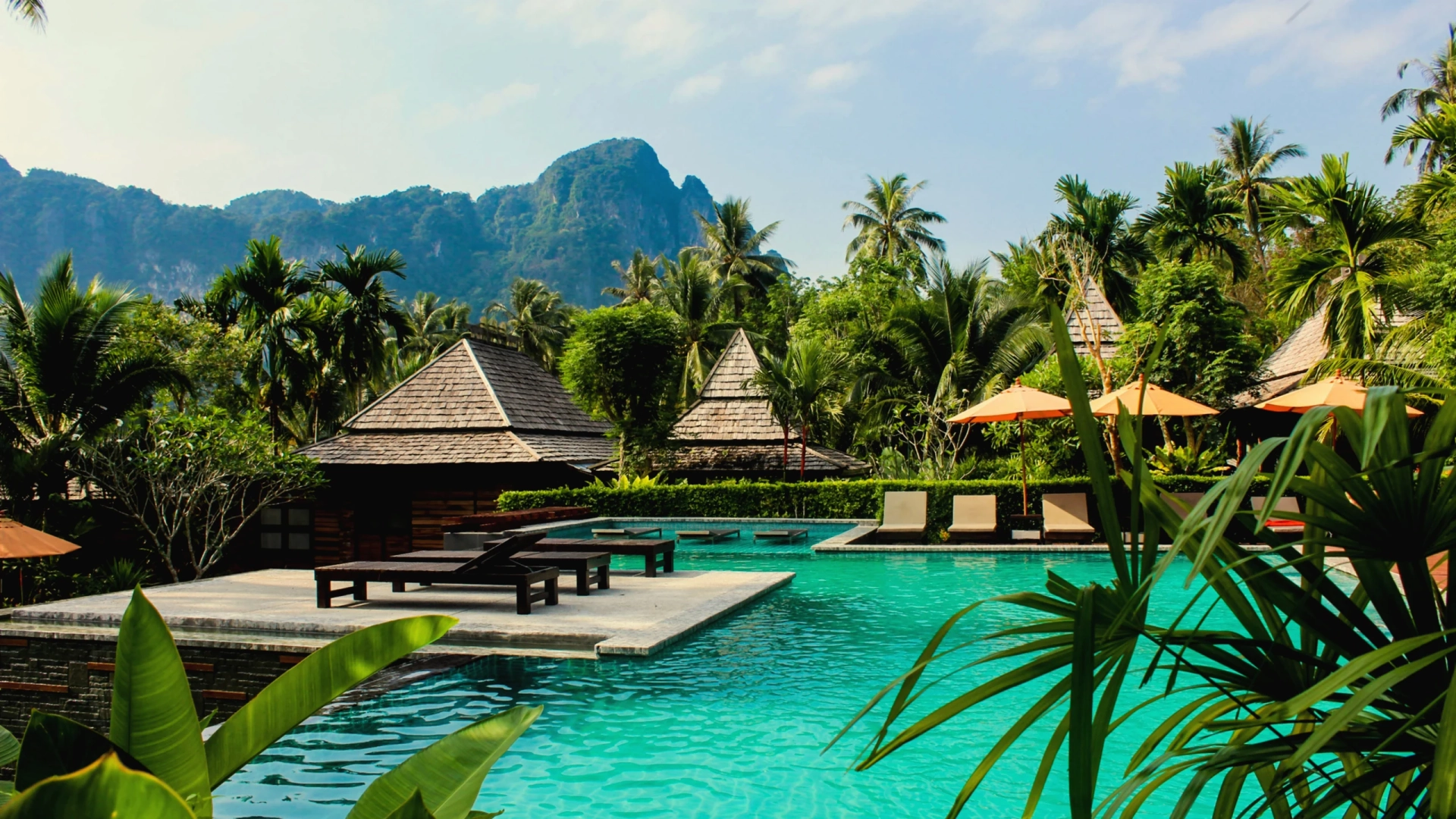
On a Tuesday afternoon in late November, a guest at Necker Island in the British Virgin Islands might find themselves wanting a tennis match at 3:00 PM, followed by a sunset sail, and a dinner featuring ingredients sourced from the island’s own hydroponic gardens. At this level of service, the staff-to-guest ratio is not a luxury; it is a necessity for the seamless execution of the guest’s itinerary.
The staff on these islands are not merely hospitality workers. They are a mixture of former superyacht crew, specialized chefs, and security professionals. When you pay $25,000 per night, you are paying for the fact that the staff knows you prefer your coffee at 185 degrees Fahrenheit before you have even articulated the request. This level of anticipation requires a degree of training that mirrors the standards of the world’s most exclusive private clubs.
The Geography of the Elite
The choice of location is often dictated by the desired level of anonymity. Laucala Island in Fiji, owned by the Red Bull magnate Dietrich Mateschitz until his passing, represents the pinnacle of the "total resort" model. Here, the infrastructure is so robust that the island functions as a private nation. The airport is capable of handling long-range private jets, bypassing the need for commercial transit entirely.
Conversely, the islands listed through Private Islands Inc. often offer a more "raw" experience. These are for the client who wants to feel the isolation of the Pacific or the Caribbean without the polished veneer of a resort. However, the cost of this raw experience is higher, as the client must bear the burden of bringing in every luxury amenity from the mainland.
The Anatomy of the Cost Delta
Why does the price jump from $1,000 per person per night to $25,000? The answer lies in the "frictionless" nature of the experience.
At the $1,000/night level, the guest may experience friction: a delayed boat transfer, a limited menu, or the need to share the island’s common spaces with other guests. At the $25,000/night level, friction is eliminated. The island is entirely exclusive. The menu is bespoke, designed by a chef who has consulted with the guest weeks in advance. The activities—whether it is a private dive with a marine biologist or a guided hike through the island’s interior—are curated to the guest’s specific physical capabilities and interests.
Furthermore, the ultra-premium tier includes the cost of security. In an era of increasing digital and physical surveillance, the ability to disappear is a luxury. The security teams on islands like Necker or Musha Cay are trained to manage not just the physical perimeter, but the digital one as well, ensuring that the guest’s presence remains entirely off the grid.
Sensory Realities of the Private Island
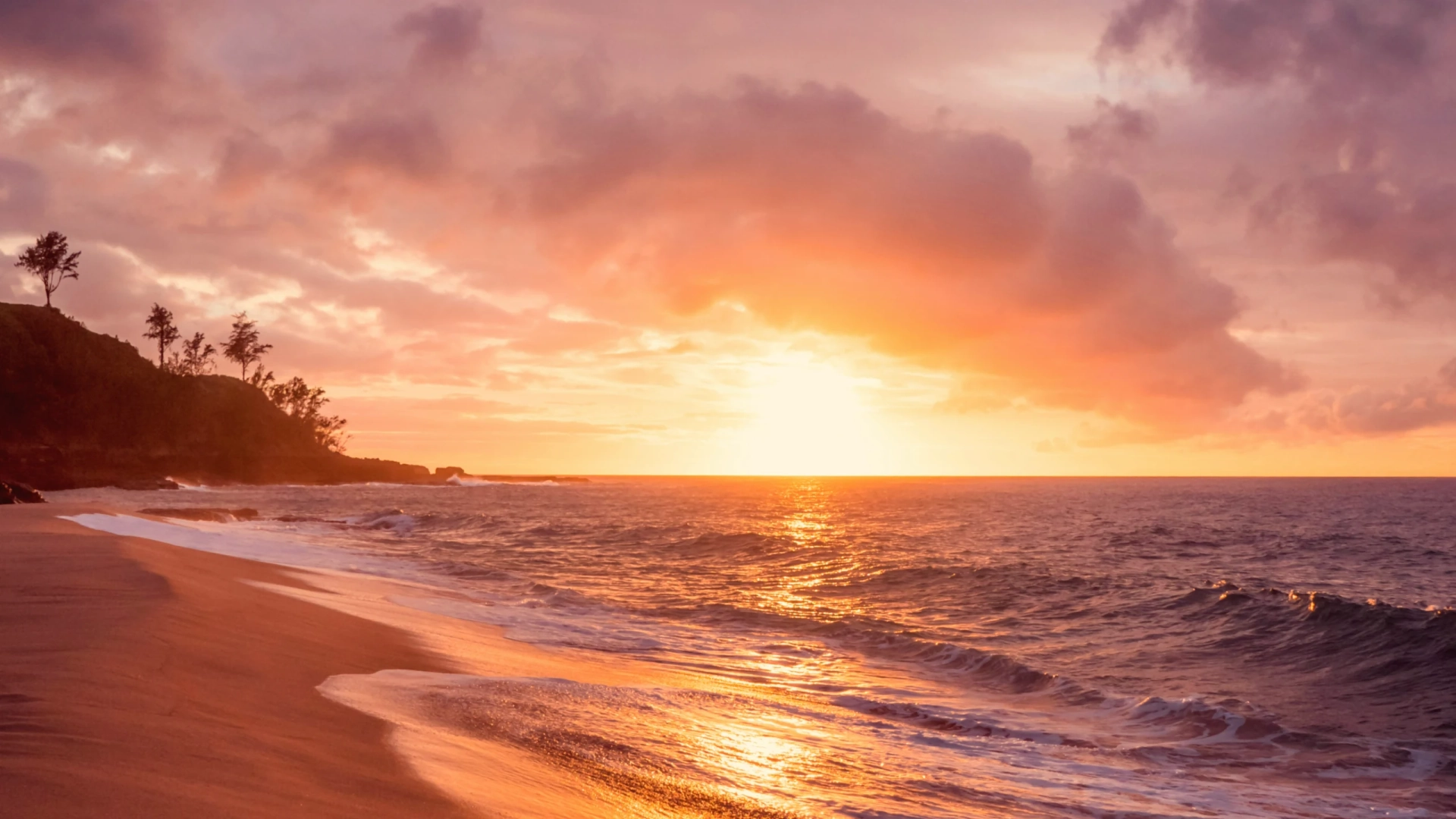
To stand on the deck of a villa on a private island in the Exumas is to experience a silence that is almost tactile. The sensory input is stripped of the urban hum. There is the rhythmic, low-frequency thrum of the ocean against the limestone shelf, the scent of sea salt mixed with the faint, sweet aroma of frangipani, and the visual absence of any structure that does not belong to the property.
In the early morning, the only movement is the staff preparing the beach for the day. They move with a practiced, silent efficiency, raking the sand to remove the debris left by the tide, ensuring that the beach looks as if it has never been touched by a human foot. This is the ultimate expression of the island calculus: the creation of a pristine, artificial reality that feels entirely natural.
The Infrastructure of Excess
The logistical requirements of these islands are staggering. On a remote island in the South Pacific, the cost of importing a single crate of high-end wine can exceed the value of the wine itself due to the necessity of chartering a dedicated supply vessel. When a guest requests a specific brand of bottled water or a particular type of organic produce, the island management must coordinate a supply chain that spans continents.
This is why the 25-40% surcharge for food, beverage, and activities is not a profit-padding exercise; it is a reflection of the actual cost of procurement. In the middle of the ocean, the value of a fresh lime or a clean towel is dictated by the cost of the fuel required to transport it.
The Future of Sovereign Seclusion
As the global landscape becomes increasingly interconnected and transparent, the value of the private island will only continue to appreciate. It is one of the few remaining places on Earth where an individual can exercise absolute control over their environment.
The market is currently seeing a shift toward "sustainable isolation." Owners are investing millions into solar arrays, battery storage, and advanced waste management systems to ensure that these islands can remain operational without the need for constant, carbon-heavy supply runs. For the ultra-high-net-worth individual, the goal is to create a self-sustaining, private sanctuary that can be accessed at a moment's notice.

The Reality of the Rental
When booking through a firm like Vladi Private Islands, the process is rigorous. Prospective guests are often vetted to ensure they have the financial capacity to maintain the island’s standards. The contract itself is a document of significant complexity, covering everything from liability in the event of a hurricane to the specific protocols for medical emergencies.
The experience of the island is, ultimately, a test of one’s ability to exist in a space of total freedom. Without the constraints of a city, a schedule, or the presence of others, the guest is left with only their own thoughts and the immediate, physical reality of the island. For some, this is the ultimate luxury. For others, it is a confrontation with the self that they are not prepared for.
Final Observations
The island calculus is a cold, precise equation. It balances the desire for absolute privacy against the immense logistical burden of maintaining a habitable, luxurious environment in a remote location.
On a clear night in the Bahamas, the stars are visible with a clarity that is impossible in any major metropolitan area. The lack of light pollution turns the sky into a dense, shimmering canopy. A guest sitting on the terrace of a villa on Musha Cay might look up at the Milky Way and realize that the cost of their stay—the $25,000 per night—is not just for the villa or the staff. It is for the privilege of being the only person for miles who is witnessing that specific view, in that specific moment, without the intrusion of a single other human being. The logistics, the desalination plants, the refrigerated air freight, and the staff ratios all serve one purpose: to maintain the integrity of that singular, silent experience.
Shopygram Exclusive Intelligence
Private Island ADR vs Ultra-Prime Villa Index
Average Daily Rate (Index: 2018 = 100)
Intelligence Source: Vladi Private Islands; Luxury Travel Intelligence
The Curator's Selection
Real EstateMr & Mrs Smith — Private Island Collection
The most curated selection of bookable private islands, with concierge handling provisioning, transport, and staff arrangements.
Airbnb Luxe — Whole Island Rentals
Vetted private island properties with 24-hour trip designer support — access to properties not listed on any other platform.
Shopygram may receive a referral fee when you transact through these links. Our editorial recommendations are independent of commercial relationships.
The Intelligence Behind the Destination
How much does it cost to rent a private island for a week?
Entry-level private islands in the Caribbean start from $10,000–$25,000 per week. Mid-range Maldivian private islands run $50,000–$150,000. The most prestigious — Necker Island, Calivigny Island, Laucala — command $150,000–$500,000 per week, typically inclusive of staff and basic provisioning.
What is typically included in a private island rental?
Premium island rentals include accommodation for 8–20 guests, a full residential staff, chef services with all meals, water sports equipment, and inter-island boat transfers. Alcohol, specialist excursions, helicopter transfers, and custom chef menus are typically charged separately.
Where are the best private islands to rent in 2026?
The Maldives offers the most complete seclusion with overwater villas and house reef access. The British Virgin Islands, Turks and Caicos, and Bahamas offer the widest range in the Caribbean. The Dalmatian Coast and Greek islands lead the European market for summer charter.
How far in advance should I book a private island?
The most in-demand private islands — Necker, Calivigny, Laucala — book 12–18 months in advance for peak July–August and December–January periods. Shoulder season availability (May–June, September–October) can be secured 3–6 months ahead on most platforms.
Is renting a private island worth the cost for a group?
For groups of 10–20 people, the per-person cost of a premium island rental is often comparable to five-star resort rates — with complete privacy, exclusive staff, and an experience no hotel can replicate. The value equation improves significantly with larger groups and longer stays.
The Author
Travis Wiedower
Senior Contributing Editor — Luxury Capital & Alternative AssetsTravis Wiedower is a veteran editorial voice across luxury's most considered verticals — from horology and haute automotive to prime real estate and private travel. With over 15 years at the helm of prestige publications, he reports on the intersection of global wealth, cultural taste, and the architecture of considered living.