Travel
The Inhabited Geography: How the Ultra-Wealthy Have Replaced the Three-Day Itinerary with the Extended Residency
Comporta, Alula, the Costa Verde—the enclaves where the UHNW traveler now commands three-week inhabitations over brief visits. The economics, staffing logistics, and psychology of the geographic hold.
The Inhabited Geography: How the Ultra-Wealthy Have Replaced the Three-Day Itinerary with the Extended Residency
At 7:15 AM in Comporta, the light does not so much rise as dissolve into the landscape. It filters through the floor-to-ceiling pine shutters of a villa designed by Vincent Van Duysen, casting long, slatted shadows across a floor of cool, poured concrete. Outside, the low, rhythmic rumble of the Atlantic Ocean travels over three kilometers of maritime pines and sand dunes, carrying the scent of damp eucalyptus and sea salt.
On the western terrace, Elena Vance turns a page of her book. She does not look at her watch; there is no schedule to keep. She has inhabited this space for twenty-one days, and she will remain for another twenty-one. The keys on the raw oak entry table are no longer a novelty of arrival; they are simply her keys. The local bakery in Carvalhal now prepares her order of sourdough and local goat cheese without instruction when her driver arrives each Tuesday morning. This is not a vacation. It is a temporary relocation of her life, an exercise in deep-rooted residency that has replaced the frantic, multi-destination itineraries of her past.
This shift from transient tourism to extended residency is reshaping the global luxury travel landscape. According to Knight Frank’s 2024 Wealth Report, demand for ultra-luxury rentals of four weeks or longer grew by 28 percent globally over the preceding twenty-four months. The report attributes this surge to a growing desire among ultra-high-net-worth individuals for what researchers term "residential immersion"—a practice that prioritizes deep local integration, spatial stability, and the replication of domestic routines in highly desirable global locales.
The modern traveler is no longer content to merely observe a destination from behind the gilded gates of a five-star resort. Instead, they seek to inhabit it, establishing secondary and tertiary bases that allow for a slower, more profound engagement with the local culture, geography, and community.
The Family Principal: Menorca’s North Coast
For Marcus Sterling, a London-based private equity partner, the summer months represent a rare window of operational pause. Rather than booking a series of brief stays in Saint-Tropez or Ibiza, Sterling opted for a six-week residency on the rugged north coast of Menorca, near the fishing village of Fornells.
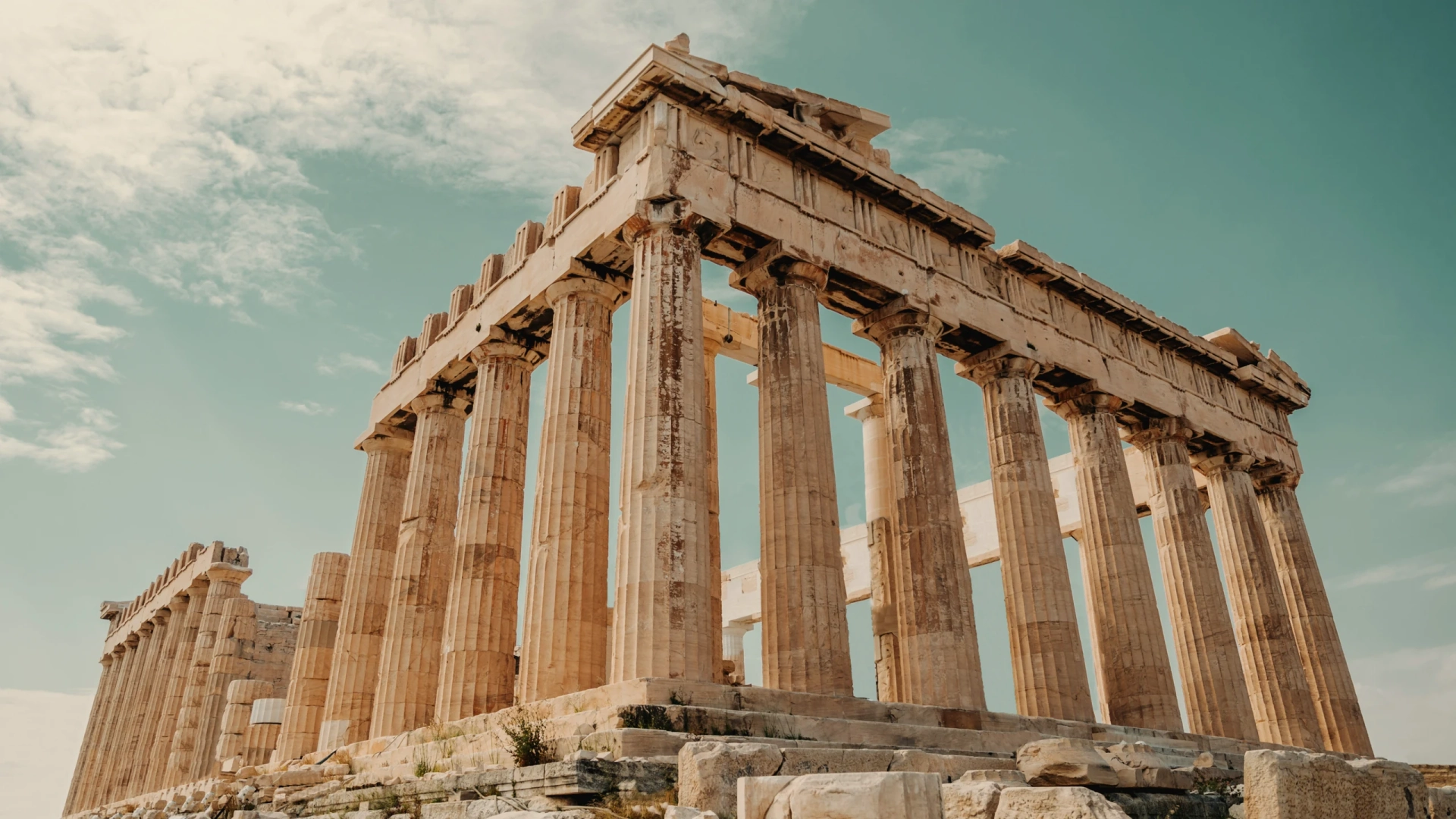
The property, secured through the villa specialist agency The Thinking Traveller for €85,000 per week, is a restored 18th-century agricultural estate. The estate spans forty hectares of private land, offering direct access to a secluded cove of red sand and turquoise water. The architecture is characterized by thick, whitewashed mares-stone walls, exposed wild olive wood beams, and expansive shaded pergolas that overlook the Mediterranean.
For Sterling, the length of the stay is directly tied to the development of his three children, aged eight, eleven, and fourteen. "A two-week holiday is a disruption," Sterling observes. "A six-week stay is an education. It takes at least ten days for the children to shed the frantic energy of London and adapt to the natural rhythms of the island."
To facilitate this integration, Sterling enrolled his children in a local marine biology and sailing program at the Club Nàutic Fornells. Every morning at 9:00 AM, they walk down to the harbor, interacting with local instructors and peers in Spanish, learning the nuances of tramontana wind patterns and the delicate ecosystem of the North Menorca Marine Reserve.
The daily routine of the estate is structured yet unhurried. A private chef, sourced locally by the agency, manages the kitchen, preparing meals that reflect the immediate geography. Dinners are not elaborate, multi-course tasting menus, but rather simple, perfectly executed preparations of local ingredients: red prawns purchased directly from the fishermen at the Mahón docks, wild fennel gathered from the estate’s grounds, and slow-roasted black Iberian pork.
The family’s integration into the local community is quiet and deliberate. They patronize the same fishmonger, buy their produce from an organic farm in Alaior, and have established a relationship with a local ceramicist whose workshop they visit weekly. This extended presence transforms the family from temporary observers into recognized, albeit temporary, members of the local ecosystem.
The Post-Exit Founder: AlUla’s Desert Sanctuary
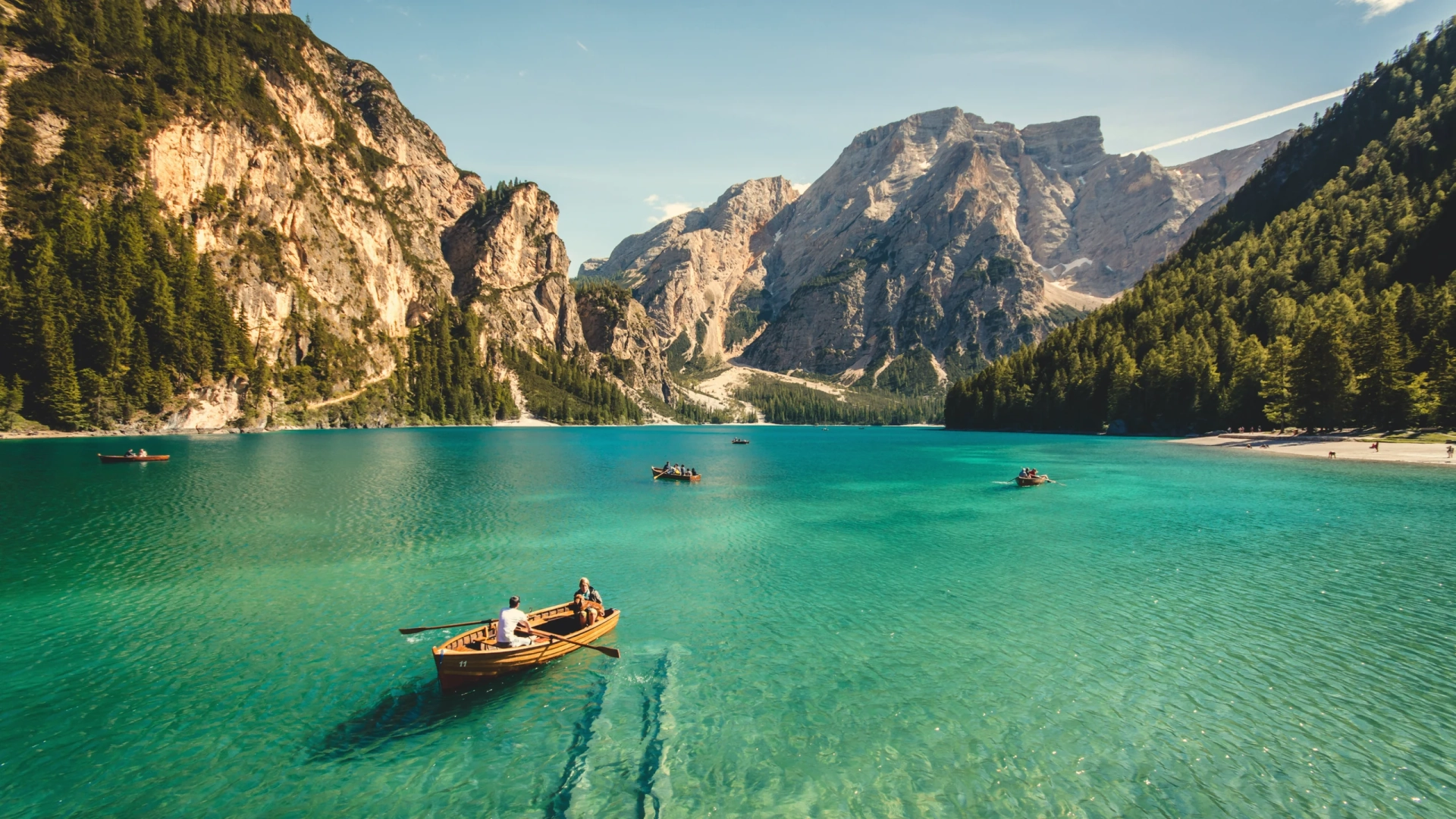
In the wake of a €420 million liquidity event, Julian Mercer, the forty-two-year-old founder of a Munich-based robotics firm, required a different kind of residency. His objective was not family integration, but absolute cognitive decompression and physical isolation. He chose a three-month stay in the ancient desert oasis of AlUla, Saudi Arabia.
Mercer’s residence is a private, custom-secured compound managed by Quintessentially Travel, commanding a weekly rate of €120,000. The compound is situated against a backdrop of towering, wind-carved sandstone cliffs, its minimalist glass-and-steel pavilions designed to blend into the desert landscape. The interior features custom-carved stone baths, heated outdoor pools that mirror the desert sky, and a state-of-the-art wellness pavilion.
The logistics of a ninety-day stay in a remote desert environment require meticulous planning. Quintessentially Travel coordinated a rotating staff that included a private security detail, a resident physiotherapist from Zurich, and a personal chef specializing in anti-inflammatory nutrition.
Mercer’s days are defined by the stark contrast of the desert climate. Mornings begin at dawn with guided desert excursions led by a private archaeologist, exploring the Nabataean tombs of Hegra and the ancient inscriptions of Jabal Ikmah before the midday heat settles over the valley. Afternoons are reserved for quiet contemplation, reading, and remote governance of his remaining investment portfolio from a custom-built workspace equipped with redundant satellite internet.
As night falls, the desert temperature drops rapidly, and the sky clears to reveal an unpolluted canopy of stars. Mercer’s compound is equipped with a high-end Meade LX200 telescope, and twice a week, an astronomer from the Riyadh Observatory visits to guide him through the constellations.
"The first month was about physical recovery," Mercer says. "The second month was about mental clarity. By the third month, the silence of the desert had become a necessary condition for my thinking. You cannot achieve that state of mind in a ten-day resort stay. It requires time for the environment to settle into your nervous system."
The Multi-Generational Matriarch: Costa Verde’s Granite Estate
On the Costa Verde of northern Portugal, near the historic town of Caminha, Beatrice Dumont represents the third archetype of the extended resident. For twelve consecutive years, the seventy-four-year-old matriarch of a Belgian industrial family has returned to the same granite estate overlooking the Minho River.
The property, Quinta do Minho, is a historic manor house dating back to the 17th century, sourced through the luxury property agency Home Hunts for €65,000 per week. The estate features terraced vineyards, formal boxwood gardens, and a private dock on the river.
Dumont’s four-week residency every July is a non-negotiable anchor for her geographically dispersed family. Over the course of the month, her four children and nine grandchildren rotate through the estate’s nine suites. The longevity of her relationship with the property has created a unique dynamic: the estate staff, many of whom have worked there for a decade, know the family’s preferences down to the exact brand of sparkling water (Pedras Salgadas) placed in each room and the preferred firmness of the Frette linens.
"This house is the only place where my grandchildren see each other for more than a weekend," Dumont explains. "They do not associate this place with travel; they associate it with home. They know which tree is best for climbing, where the wild blackberries grow along the river, and which local bakery makes the best *broa de milho*."
The daily life at Quinta do Minho is governed by traditions that have been established over more than a decade. Every morning at 7:30 AM, a local baker delivers fresh cornbread and pastries directly to the kitchen door. Afternoons are spent sailing on the Minho River or playing tennis on the estate’s clay court. In the evenings, the family gathers around a long granite table under a canopy of grapevines, drinking Vinho Verde produced from the estate’s own vineyards and dining on salt cod prepared according to a recipe passed down by the estate’s housekeeper.
This form of travel is not about discovering the new; it is about reinforcing the familiar. The value of the residency lies in its continuity, providing a stable geographic center for a family that spends the rest of the year scattered across Brussels, London, and New York.
The Operational Reality of Extended Residencies
The execution of these extended residencies requires a sophisticated logistical infrastructure that goes far beyond the capabilities of standard luxury travel agencies. According to the Savills Prime Residential Index 2024, prime European coastal and rural properties have seen a 14.2 percent increase in seasonal occupancy lengths, creating a highly competitive market for properties that can support long-term habitation.
"An extended stay is not a long holiday; it is the temporary management of a primary residence," says Andrew Langton, a director at Home Hunts. "The requirements are entirely different. Clients demand high-speed, secure digital infrastructure, dedicated staff quarters that allow for privacy, comprehensive security protocols, and access to local networks—from private medical care to educational tutors."
The selection of the property itself is the first step in a complex process. Agencies must vet properties not just for their aesthetic appeal, but for their structural and operational integrity. A minor plumbing issue or a spotty internet connection that might be tolerated during a three-day stay becomes an unacceptable disruption during a two-month residency.

Furthermore, the integration of staff is a delicate balancing act. The goal is to provide seamless service without compromising the client’s privacy. In many cases, agencies will source a hybrid team: a core group of trusted staff who travel with the client from their primary residence, supplemented by local specialists—chefs, drivers, instructors, and security personnel—who possess intimate knowledge of the destination.
Data from the Virtuoso Luxe Report 2024 indicates that 42 percent of ultra-high-net-worth travelers plan to extend their average trip length from eight days to twenty-one days or more, prioritizing slow-paced exploration and local cultural integration. This shift is driving villa agencies to expand their services, offering bespoke concierge solutions that cater to the daily needs of long-term residents, such as arranging private art history tutors, securing temporary memberships at exclusive local clubs, and managing local philanthropic contributions.
The Return to the Terrace
Back in Comporta, the afternoon sun has begun its slow descent, casting a warm, golden hue over the pine forests and the distant rice fields of Carvalhal. On the terrace of the Van Duysen villa, Elena Vance watches as her driver unloads a wooden crate of fresh produce from a local organic farm.
There is no sense of urgency to her evening. She will not be packing her bags tonight, nor will she be reviewing an itinerary for a flight tomorrow morning. Instead, she will spend the evening preparing a simple dinner with the ingredients that arrived today, perhaps walking down to the beach to watch the sunset over the Atlantic, knowing that she will return to this same terrace tomorrow, and the day after that.
The true luxury of the inhabited place is not found in the exclusivity of the destination or the opulence of the accommodation. It is found in the luxury of time—the rare, quiet privilege of staying long enough to let a place become a part of who you are.
Shopygram Exclusive Intelligence
Average Stay Duration — Ultra-Luxury Segment
Nights per Trip (Index: 2019 = 100)
Intelligence Source: Virtuoso Travel Insights
The Curator's Selection
TravelMr & Mrs Smith — Extended Stay Villas
The most curated selection of staffed private villas for extended stays of 2+ weeks, with concierge handling all logistics from arrival to departure.
Airbnb Luxe — Private Villa Residences
Vetted private villa properties with 24-hour trip designer support — extended stay and monthly pricing available on request.
Shopygram may receive a referral fee when you transact through these links. Our editorial recommendations are independent of commercial relationships.
The Intelligence Behind the Destination
What is the difference between luxury tourism and 'inhabitation travel'?
Tourism is transactional — you see sites, eat at recommended restaurants, and depart. Inhabitation is residential — you return to the same market, develop relationships with local people, learn the rhythms of a place. Ultra-wealthy travellers have largely abandoned the former in favour of the latter.
Which destinations are best suited to extended ultra-luxury stays?
Structured for 2–6 week stays: Comporta (Portugal), Panarea (Sicily), Canouan (Grenadines), Kyoto (Japan, outside cherry blossom peak), and Marrakech (spring and autumn). Common denominators: rich local culture that rewards time, low crowd density, and high-quality villa inventory.
How has remote work changed ultra-luxury travel?
It has dissolved the boundary between travel and residence for UHNW individuals. A family office principal who can operate from anywhere now treats a villa in Gstaad or a serviced apartment in Singapore as a functional workspace — with the result that average trip durations have more than doubled since 2020.
The Author
Travis Wiedower
Senior Contributing Editor — Luxury Capital & Alternative AssetsTravis Wiedower is a veteran editorial voice across luxury's most considered verticals — from horology and haute automotive to prime real estate and private travel. With over 15 years at the helm of prestige publications, he reports on the intersection of global wealth, cultural taste, and the architecture of considered living.